Comprehensive Guide to Effective Lower Back Pain Treatment Techniques
Understanding Lower Back Pain
Lower back pain is a prevalent and often debilitating condition that affects millions of people around the world. It can stem from various causes, ranging from injuries and structural issues to lifestyle factors. For anyone seeking effective lower back pain treatment, it’s essential to first understand the different facets of this complex issue.
Types of Lower Back Pain
Lower back pain can be categorized into several types, which can assist both patients and healthcare providers in identifying the appropriate treatment strategies. These include:
- Acute Pain: Sudden onset pain that typically lasts less than six weeks. It can often result from an injury or strain.
- Chronic Pain: Persistent pain that lasts for three months or longer, affecting daily life and function.
- Radicular Pain: Pain that radiates from the back into the legs, often due to nerve irritation or compression.
- Referred Pain: Pain that is felt in the lower back due to issues in other body parts, such as the kidneys or pelvis.
Common Causes of Lower Back Pain
Understanding what triggers lower back pain is crucial for effective treatment. Common causes include:
- Muscle or Ligament Strain: Heavy lifting or abrupt awkward movements can lead to strained muscles or ligaments.
- Herniated Disks: Disks that cushion the vertebrae can rupture, causing nerve pain and inflammation.
- Skeletal Irregularities: Conditions such as scoliosis can alter the spine’s structure and lead to pain.
- Arthritis: Osteoarthritis can cause spinal stenosis, leading to nerve compression and chronic pain.
- Osteoporosis: Weak, brittle bones increase the risk of fractures and subsequently, back pain.
Symptoms and Diagnosis
The symptoms of lower back pain can vary widely. Common indicators include:
- Aching or stiffness in the lower back
- Severe pain that hampers walking or standing
- Radiating pain down one leg
- Numbness or tingling in the legs or feet
Diagnosis typically involves a thorough medical history, physical examination, and may include imaging tests such as X-rays or MRIs to determine the underlying cause.
Lower Back Pain Treatment Options
Once the underlying cause of lower back pain is established, various treatment options can be explored to alleviate discomfort and improve functionality.
Physical Therapy Techniques
Physical therapy is often a cornerstone of lower back pain treatment. A qualified therapist can devise a tailored program that might include:
- Stretching Exercises: These help improve flexibility and reduce tension in the back muscles.
- Strength Training: Targeted exercises can strengthen the core to support the spine better.
- Manual Therapy: Techniques such as massage and spinal manipulation can alleviate pain and improve mobility.
Medications for Pain Relief
Several medications are available to help mitigate lower back pain:
- Over-the-Counter Pain Relievers: Acetaminophen and nonsteroidal anti-inflammatory drugs (NSAIDs) can provide immediate relief.
- Prescription Medications: Muscle relaxants or stronger pain relief medications may be prescribed by healthcare professionals in more severe cases.
- Corticosteroid Injections: These can provide temporary relief from inflammation and pain.
Alternative Treatments: Acupuncture and More
Alternative therapies can serve as effective adjuncts to conventional treatment:
- Acupuncture: This technique involves inserting thin needles into specific body points to relieve pain and promote healing.
- Chiropractic Care: Spinal adjustments conducted by chiropractors can alleviate lower back pain and enhance mobility.
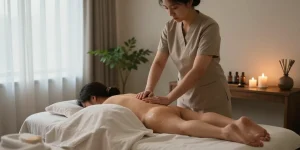
- Massage Therapy: Personalized massage techniques can reduce muscle tension, enhance circulation, and promote relaxation.
At-Home Remedies for Lower Back Pain
Many individuals find relief from lower back pain through simple at-home remedies. These can be easily integrated into daily routines to help manage symptoms effectively.
Exercises for Pain Relief
Incorporating specific exercises can significantly alleviate lower back pain:
- Pelvic Tilts: This exercise strengthens the lower back and abdominal muscles.
- Knees-to-Chest Stretch: Helps relieve tension and stretch the lower back muscles.
- Cat-Cow Stretch: This yoga move encourages flexibility and reduces stiffness.
Benefits of Heat and Cold Therapy
Applying heat or cold to the affected area can provide substantial relief:
- Heat Therapy: Heat pads or warm baths can relax tight muscles and enhance blood flow.
- Cold Therapy: Ice packs can reduce inflammation and numb sharp pain.
Importance of Proper Posture
Maintaining an ergonomic posture is crucial in preventing and managing lower back pain. Common tips include:
- Sitting with the back against the chair and feet flat on the floor.
- Using supportive chairs when sitting for prolonged periods.
- Practicing good lifting techniques by bending the knees and keeping the object close to the body.
Preventative Measures for Lower Back Pain
Proactive measures can help mitigate the risk of developing lower back pain. Incorporating these habits into daily life can make a profound difference.
Maintaining a Healthy Weight
Excess body weight can strain the lower back. Maintaining a balanced diet and regular exercise regime can help achieve and sustain a healthy weight.
Ergonomics in Daily Life
Creating an ergonomic workspace can significantly minimize strain on the back. Consider using standing desks or supportive chairs to promote better posture.
Stretching and Strengthening Routines
A routine that focuses on both stretching and strengthening can enhance spinal stability and flexibility, essential in preventing lower back pain.
FAQs About Lower Back Pain Treatment
What are common treatments for lower back pain?
Common treatments include physical therapy, medications, chiropractic care, acupuncture, and home remedies such as exercise and heat/cold therapy.
Can exercise help alleviate lower back pain?
Yes, targeted exercises can strengthen muscles and improve flexibility, providing relief from lower back pain.
How long does it take for lower back pain to heal?
Healing time varies widely depending on the cause of pain; acute pain may resolve in a few weeks, while chronic pain can take several months.
Are there any risks associated with lower back pain treatments?
Yes, certain treatments can have side effects, such as addiction to pain medications or adverse reactions to alternative therapies. Always consult a doctor.
When should I see a doctor for lower back pain?
You should see a doctor if pain persists longer than three weeks, is severe, or is accompanied by other significant symptoms, like numbness or fever.