
Choosing the Right Cabinet Hinge Manufacturers for Quality and Durability
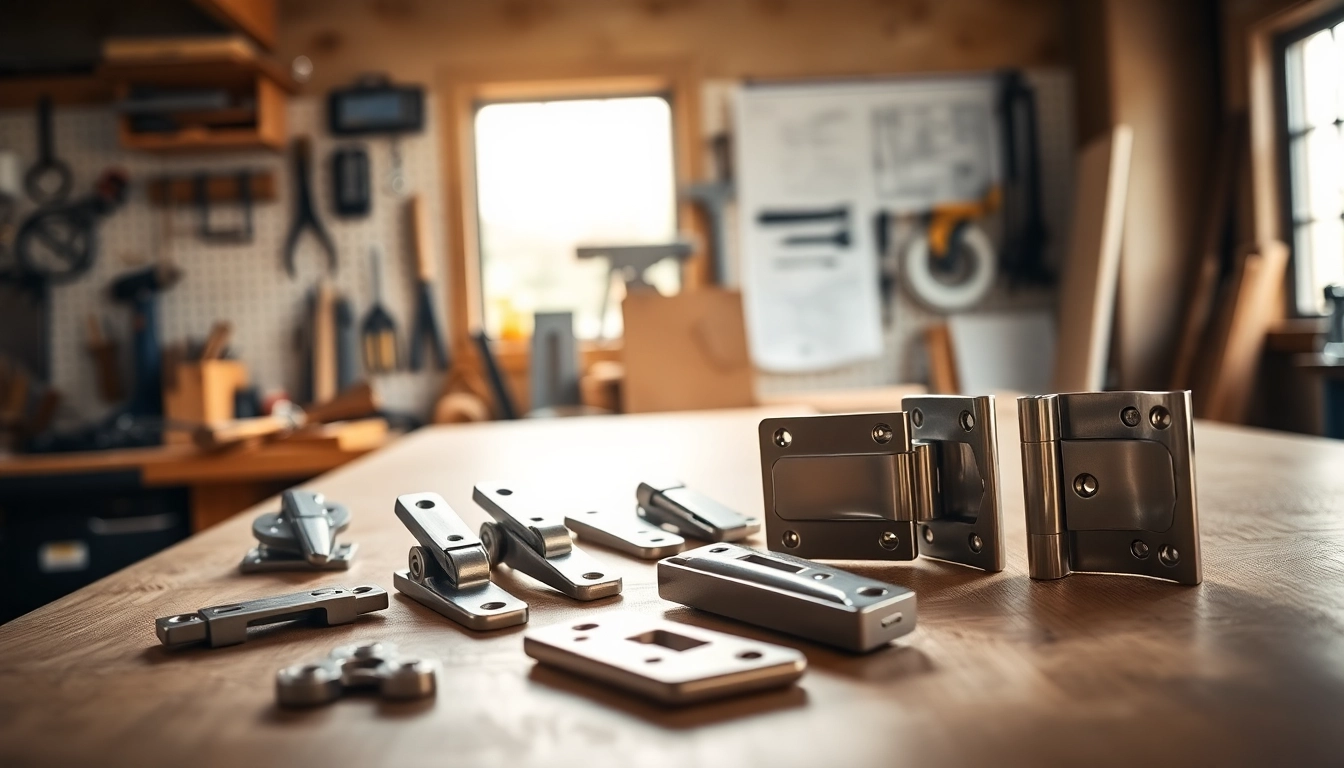
The Importance of Selecting Quality Cabinet Hinge Manufacturers
When embarking on a cabinet installation or refurbishment project, the hinges you choose play a pivotal role in the overall success of your venture. Cabinet hinges are not just functional components; they also significantly influence the aesthetic appeal and longevity of cabinetry. For this reason, sourcing hinges from reputable Cabinet Hinge Manufacturers is essential. This article delves into the various aspects that underscore the importance of selecting quality manufacturers to ensure that you achieve the desired performance and durability in your cabinets.
Understanding Hinge Functionality
Hinges serve more than just a basic function of attaching doors to cabinets; they allow for smooth opening and closing, hold weight, and withstand daily use. The choice of hinge directly affects how doors align, close securely, and operate seamlessly. Understanding how different hinge designs function—such as concealed, European, and overlay hinges—will help you make an informed choice that meets your specific cabinetry needs.
Impact on Overall Cabinet Performance
The quality of hinges can drastically influence the performance of your cabinets. High-quality hinges offer superior durability, resistance to wear and tear, and seamless functionality. Poorly made hinges can result in misalignment, uneven gaps, or even breakage, leading to costly repairs or replacements. Investing in reliable hinges from established manufacturers ensures your cabinetry maintains its aesthetic and functional integrity over time.
Cost vs. Quality Considerations
When considering hinges, striking a balance between cost and quality is crucial. While it may be tempting to choose cheaper options, doing so can often lead to long-term costs associated with repairs and replacements. On the other hand, investing in high-quality hinges tends to pay off, providing better performance and fewer maintenance issues down the road. Evaluating your budget alongside the features and durability of hinges can help determine the best choices for your cabinets.
Types of Cabinet Hinges Offered by Manufacturers
Cabinet hinge manufacturers produce a variety of hinge types tailored to different cabinetry designs, aesthetics, and functionalities. Understanding the various hinge categories will aid you in selecting the best type for your specific project needs.
Concealed Hinges: Ideal Solutions
Concealed hinges, often used in modern cabinetry, are invisible when the cabinet door is closed. This discreet design offers a sleek aesthetic, making it ideal for contemporary kitchens and furniture. Concealed hinges can be easily adjusted post-installation and typically allow for greater flexibility in door alignment. Their durability makes them a preferred choice among homeowners and designers looking for a refined appearance.
European Hinges: Features and Benefits
Popular in Europe, these hinges are designed for easy installation and adjustment. They typically feature a two-piece construction that allows for precise alignment and a wide range of motion. The benefits of European hinges include self-closing mechanisms, smaller cup sizes that leave more room for other functionalities, and a variety of finishes that can complement any cabinetry style. Their versatility makes them an excellent option for both new builds and renovations.
Overlay and Inset Hinges: What’s Best for You?
Overlay hinges are designed for cabinets where the door overlaps the frame, offering a sleek finish, while inset hinges are used when the cabinet door is flush with the cabinet body. Each type has its aesthetic and functional characteristics, making them suitable for different design preferences. Overlay hinges provide a modern look with hidden pivots, whereas inset hinges deliver a classic, built-in appearance. The choice between the two will largely depend on your desired cabinetry style.
Evaluating Cabinet Hinge Manufacturers: Key Factors
Choosing a manufacturer involves much more than just examining the products; it also requires scrutinizing the company’s credibility, materials, and overall production practices. Here are several key factors to consider when assessing cabinet hinge manufacturers.
Material Quality: Durability and Reliability
The materials used in hinge construction are critical for ensuring the longevity and reliability of the product. Quality hinges are often made from materials such as stainless steel, brass, or heavy-duty plastic, which resist rust, corrosion, and wear. Manufacturers that prioritize superior material sourcing often provide products that can withstand daily use without deteriorating, ensuring that your cabinetry maintains its functionality over the long term.
Manufacturer Reputation: Why It Matters
The reputation of a cabinet hinge manufacturer speaks volumes about the quality, reliability, and service their products offer. Influential industry reviews, professional endorsements, and customer testimonials can provide insight into a manufacturer’s standing within the marketplace. Trustworthy manufacturers often have years of experience and a robust customer service record, which can significantly enhance your buying experience.
Customer Reviews and Feedback Insights
Customer feedback provides valuable insights into the real-world performance of a manufacturer’s products. Reviews can highlight common issues, strengths, and user experiences that may not be apparent from product descriptions. Investigating various platforms to gather a broad array of opinions will empower you to make a well-informed decision, ensuring you select a manufacturer that consistently meets customer expectations.
How to Install Cabinet Hinges Properly
Proper installation of cabinet hinges is paramount for achieving the desired functional and aesthetic results. Incorrect installation can lead to unsightly gaps, misalignment, or even damage to the cabinetry. This section outlines the essential steps involved in installing hinges correctly.
Necessary Tools and Preparation Steps
Before you begin installation, gather all necessary tools such as a drill, screwdriver, tape measure, level, and a hinge template or jig. Measure and mark your hinge placements on both the cabinet frame and the door accurately to ensure proper alignment. Prepare your workspace by laying out your tools and materials systematically to streamline the process.
Step-by-Step Installation Guide
- Align the Door: Position the cabinet door at the desired height, checking for level alignment.
- Mark the Hinge Location: Use a pencil to mark the spot where the hinge will be attached.
- Drill Pilot Holes: Drill pilot holes in both the cabinet frame and the door to avoid splitting the wood.
- Attach Hinges: Secure the hinge to the cabinet door first, followed by the cabinet frame. Ensure screws are snug but not over-tightened.
- Check Alignment: Open and close the door to make sure it operates smoothly and adjustments can be made if necessary.
Common Mistakes to Avoid
Avoid rushing through the installation process; precision is key. Common mistakes include misalignment of hinges, installing unevenly spaced screws, and neglecting to check for level before securing hinges. Misalignment can lead to additional adjustments later, which can be time-consuming and frustrating. Take your time to ensure each step is done correctly and measure carefully to guarantee a quality finish.
Maintaining Your Cabinet Hinges for Longevity
Once installed, the longevity of your cabinet hinges will largely depend on ongoing maintenance. Regular care and attention can help prevent rust, wear, and other issues frequently associated with hinges.
Regular Maintenance Tips
To ensure your hinges remain in optimal working condition, prompt attention to any issues is necessary. Periodically check for dirt and debris accumulation and clean hinges with a damp cloth. Lubricating the moving parts occasionally will prevent squeaking and sticking, ensuring smooth operation over time.
Signs of Wear and When to Replace
Be on the lookout for signs of wear, such as rust, difficulty in opening or closing doors, or visible damage to the hinges themselves. If hinges become excessively loose or if they show signs of significant rust or deterioration, it may be time for a replacement to maintain cabinet performance and appearance.
Professional Help: When to Call in Experts
If you’re experiencing difficulty with installation or if your hinges show signs of severe wear, contacting a professional may be recommended. Professionals bring expertise that can relieve frustrations, ensure proper installation, and can provide insights into the best types of hinges for your specific needs. While this may involve an additional expense, the investment can ultimately save time and effort long-term.
Frequently Asked Questions
1. How do I know which cabinet hinge to choose?
Your choice should depend on the cabinet design, door style, and personal preference for visibility and accessibility. Options include concealed, overlay, or inset hinges.
2. What are the average lifespans of cabinet hinges?
High-quality hinges can last 10-20 years or more. Their lifespan largely depends on the materials used and frequency of use.
3. Can I use any hinge style for my cabinets?
Not all hinge styles are interchangeable. The hinge style must align with your cabinet’s design—overlay, inset, or frameless cabinetry each dictate specific hinge types.
4. What tools do I need for hinge installation?
You will need a drill, screwdriver, measuring tape, level, and possibly hinge jigs or templates to assist with alignment.
5. How often should I maintain my cabinet hinges?
Regular maintenance is essential. Check and clean your hinges every few months and lubricate as necessary to ensure smooth operation.