Why the Best Forklift Is the Essential Choice for Warehouses in 2026
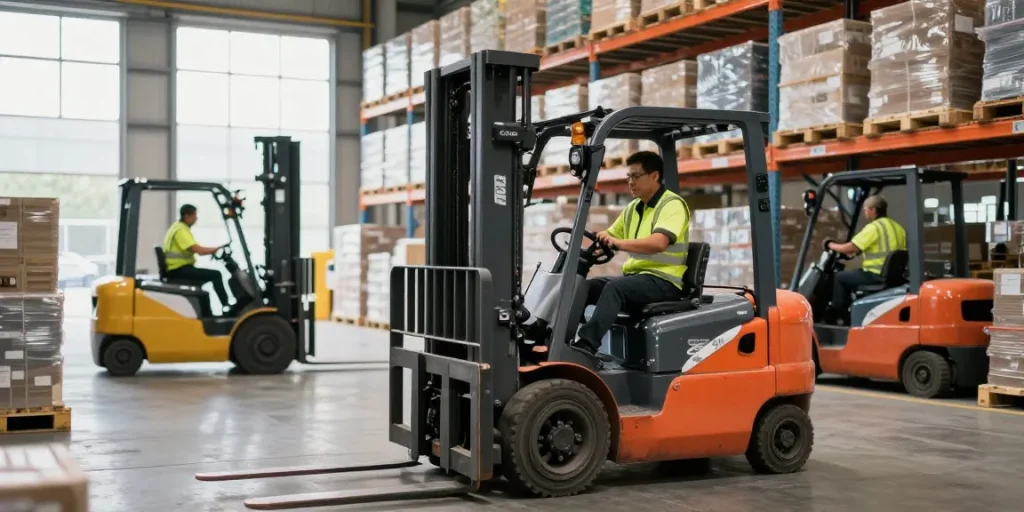
Understanding the Best Forklift Options for Modern Warehouses
In today’s fast-paced industrial landscape, warehouses are evolving to meet the demands of increased efficiency and productivity. The right equipment is essential for effective material handling, and forklifts play a pivotal role in this equation. As businesses look to optimize operations, the search for the Best forklift becomes a top priority, especially as electric models gain traction. This comprehensive guide will delve into the critical aspects of selecting the best forklift for modern warehouses, ensuring your operations are competitive and efficient.
Key Features of the Best Forklifts
When considering the best forklifts, it’s vital to focus on essential features that impact performance and usability. Key features include:
- Lift Capacity: Forklifts are available with varying lift capacities, and selecting one that meets your operational needs is crucial. From smaller models that can handle up to 3,300 lbs to heavy-duty options capable of 4,400 lbs or more, understanding your lifting requirements will guide your choice.
- Battery Life and Efficiency: Electric forklifts are lauded for their low emissions and quiet operation. Consider models with lithium batteries for longer life and faster charging times, enhancing operational efficiency.
- Maneuverability: Forklift design impacts how easily they can navigate tight spaces. Consider compact options that provide excellent turning radius while maintaining stability.
- Ergonomic Design: Comfort and safety are paramount. Forklifts with adjustable seats and user-friendly controls enhance operator effectiveness and reduce fatigue.
- Safety Features: Modern forklifts come equipped with various safety mechanisms, including automatic brakes, load backrests, and stability systems, all designed to protect both the operator and the workplace.
Benefits of Electric Forklifts in 2026
As we move into 2026, electric forklifts are becoming increasingly popular due to their numerous benefits:
- Environmental Impact: With zero-emission performance, electric forklifts are better for the environment, making them a responsible choice for businesses committed to sustainability.
- Reduced Operating Costs: While the upfront cost of electric forklifts may be higher, they often lead to lower operating costs over time due to less maintenance and energy savings.
- Enhanced Battery Technology: Innovations in lithium-ion technology have improved battery life and efficiency, allowing for longer operational periods without the need for frequent recharging.
- Quieter Operation: Electric forklifts operate with significantly less noise than their gas or diesel counterparts, creating a more pleasant work environment.
Comparative Analysis of Forklift Models
There are numerous models in the electric forklift market, each tailored to different applications. Below, we compare a few standout options that have garnered attention:
- US-TXLT132PRO Electric Telescopic Wheel Loader: Known for its versatility, this loader is designed for demanding tasks, offering extended reach and high lifting capacity, making it ideal for construction and agricultural settings.
- Counterbalance Electric Stacker: This model stands out for its stability and power, making it perfect for heavy-duty lifting without the need for support legs, ideal for warehouse operations.
- Full Electric Pallet Stacker: Available in various lift heights, these stackers accommodate a range of pallet sizes and weights, providing flexibility and efficiency in material handling.
Choosing the Right Electric Forklift for Your Needs
Selecting the right electric forklift requires careful consideration of your specific needs and operational environment. Here are some factors to consider:
Factors to Consider When Selecting a Forklift
Before making a decision, assess the following:
- Warehouse Layout: Consider the space available for maneuvering. Narrow aisles may require compact forklifts, while larger warehouses may accommodate more substantial models.
- Load Types: Different forklifts handle various load types effectively. Be sure to evaluate the type of pallets or goods you will be moving.
- Operating Environment: Indoor vs. outdoor use can impact your choice. Electric forklifts are typically better suited for indoor use, while rugged models may be required for outdoor operations.
- Budget: Establishing a clear budget upfront can guide your selection process, whether you’re looking for new or used models.
Best Forklift Brands and Their Unique Offerings
Several leading manufacturers have established themselves as frontrunners in the electric forklift industry. Key players include:
- TEXLIFT: Known for offering a robust selection of electric material handling equipment, including pallet jacks and electric stackers that combine quality with affordability.
- Hyster: Hyster is recognized for its innovative designs and reliable performance, providing a range of electric forklifts with advanced features.
- Caterpillar: With a reputation for durability, Caterpillar electric forklifts are ideal for heavy-duty applications, ensuring maximum uptime and reliability.
Customization Options and Accessories
To tailor forklifts to specific operational needs, various accessories and customization options are available:
- Fork Extensions: These can help accommodate larger loads.
- Attachments: Options such as clamps or rotators can make your forklift more versatile for different tasks.
- Ergonomic Controls: Customizable control systems can enhance operator comfort and efficiency.
Maximizing Warehouse Efficiency with the Best Forklift
Integrating the best forklift into your operations can significantly enhance warehouse efficiency. Here are some best practices:
Implementing Best Practices for Forklift Operations
Efficiency can be maximized through following industry best practices, such as:
- Regular Safety Checks: Routine inspections help prevent accidents and ensure equipment remains in top condition.
- Optimized Loading Techniques: Proper loading not only enhances efficiency but also extends the life of the forklift.
- Creating Designated Pathways: Marking clear pathways for forklifts reduces congestion and increases safety.
Training Your Team for Optimal Performance
Investing in comprehensive operator training is essential for maximizing forklift performance. Consider the following:
- Certification Programs: Ensure all operators undergo proper training and certification to improve safety and efficiency.
- Ongoing Training: Regular training sessions keep operators informed about new technologies and safety practices.
- Performance Reviews: Conduct periodic reviews to help operators improve their handling techniques and identify areas for growth.
Regular Maintenance Tips for Forklift Longevity
Maintaining your electric forklift is crucial for longevity and optimal performance:
- Battery Care: Regularly check and maintain the battery to ensure it operates at peak efficiency.
- Tire Inspection: Inspect tires for wear and replace them as needed to maintain traction and stability.
- Fluid Checks: Regularly monitor hydraulic fluid levels and replace filters to keep the forklift running smoothly.
Future Trends in Forklift Technology
The forklift industry is undergoing rapid technological advancements, promising to reshape operations in the coming years. Here are some trends to watch:
Innovations to Watch in Electric Forklifts
Several innovations are set to revolutionize electric forklifts:
- Automation and Robotics: The integration of automated systems can enhance efficiency and reduce the risk of human error.
- Smart Technology: IoT-enabled forklifts will provide real-time data on performance, allowing businesses to make informed decisions.
- Advanced Battery Technologies: Innovations like solid-state batteries promise longer life and faster charging.
Impact of Automation on Forklift Operations
As automation becomes increasingly prevalent, the role of traditional forklifts may change significantly. Automated guided vehicles (AGVs) are already being utilized in many warehouses to complement human operators, providing increased efficiency and safety.
Environmental Considerations in Forklift Use
With sustainability at the forefront of modern business practices, electric forklifts offer an eco-friendly solution for material handling. Companies focusing on reducing their carbon footprint will find electric models align well with their sustainability goals.
Frequently Asked Questions about Choosing the Best Forklift
To further assist you in selecting the best forklift for your operations, here are some frequently asked questions:
What types of warehouses benefit most from electric forklifts?
Electric forklifts are particularly well-suited for indoor warehouses with limited ventilation, as they produce no emissions. They are also beneficial in environments where noise reduction is a priority.
How to determine the lifting capacity needed for your operations?
Assess the weight of the loads you typically handle and consider any future growth in your operations. Selecting a forklift with a higher capacity than your average load can provide flexibility.
Are there specific safety regulations for forklift use?
Yes, OSHA and other regulatory agencies set forth specific safety guidelines that must be followed for forklift operation. Ensure your team is trained on these standards.
What maintenance considerations should be addressed for electric forklifts?
Regular maintenance includes battery care, hydraulic fluid checks, tire inspections, and general cleaning to keep the equipment in top condition.
How do I train staff on new forklift technology?
Provide a structured training program that includes both theoretical and practical components, ensuring operators are comfortable with the new technology before operation.