Mastering VSWR Measurement: Expert Compliance Insights for 2026
Understanding VSWR Measurement in EMC Testing
The Voltage Standing Wave Ratio (VSWR) is a critical parameter in electromagnetic compatibility (EMC) testing, particularly when assessing the performance of RF (radio frequency) systems. It quantifies the efficiency of power transmission from a source through a transmission line, making it essential for ensuring optimal operation of electronic devices. In today’s fast-paced technological landscape, industries need to maintain strict compliance with international standards, and that’s where tools like and VSWR measurement. come into play. Understanding and accurately measuring VSWR can help identify issues such as signal degradation, which can ultimately impact product performance and regulatory compliance.
What is VSWR Measurement?
VSWR is defined as the ratio of the maximum voltage to the minimum voltage in a standing wave pattern created by the interference of forward and reflected waves along a transmission line. A perfect match between the transmission line and its load results in a VSWR of 1:1, indicating that all power is being effectively transmitted without reflection. As the mismatch between the load and the transmission line increases, the VSWR value rises, which signifies a higher level of reflected power. A VSWR of 2:1 is often considered acceptable for many applications, while anything greater may require attention.
The Importance of VSWR in EMC Testing
In EMC testing, maintaining a low VSWR is crucial for several reasons:
- Signal Integrity: A low VSWR ensures that the signal transmitted through the system remains strong and clear, minimizing distortion and loss of data.
- Regulatory Compliance: Many regulatory standards specify limits on VSWR to ensure devices do not interfere with other electronic equipment, particularly in telecommunications and broadcasting.
- System Efficiency: High levels of reflected power can lead to increased heating, which can damage equipment over time and lead to costly repairs or replacements.
Common Challenges in VSWR Measurement
Accurate VSWR measurement comes with several challenges that testing laboratories and engineers must overcome:
- Calibration: Equipment must be properly calibrated to ensure accurate readings. Calibration drift can result in incorrect measurements and conclusions.
- Frequency Variations: VSWR can vary at different frequencies, necessitating comprehensive testing across the specified operational bandwidth.
- Environmental Factors: Temperature, humidity, and physical interference can affect signal quality, leading to variations in VSWR that must be accounted for during testing.
Techniques for Accurate VSWR Measurement
Achieving precise VSWR measurements requires a systematic approach and adherence to best practices:
Calibration of Testing Equipment
Before conducting any measurements, it’s vital to calibrate the testing equipment. This ensures that the measurements taken are reliable and consistent. Regular calibration against known standards is essential for maintaining the accuracy and reliability of the measurement results.
Step-by-Step Guide to Conducting VSWR Tests
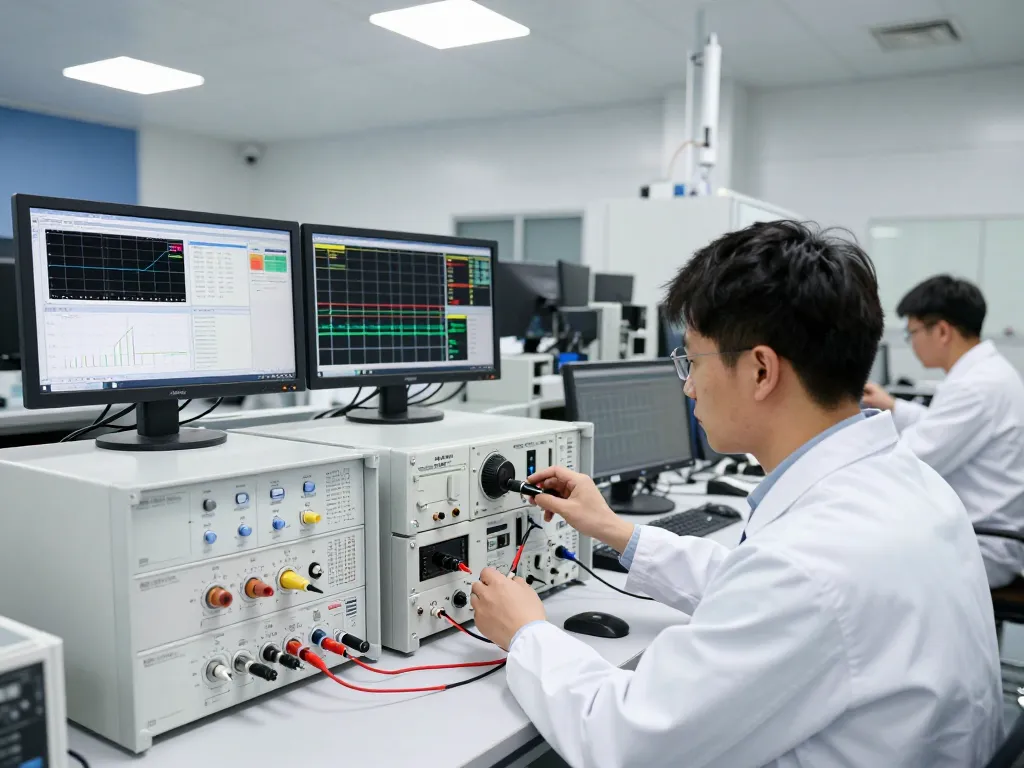
- Setup: Connect the device under test (DUT) to the network analyzer or VSWR meter.
- Test Frequency: Select the frequency range that corresponds to the operational specifications of the DUT.
- Measurement: Initiate the measurement process, ensuring the analyzer captures both forward and reflected power.
- Data Analysis: Review the results and calculate the VSWR using the formula: VSWR = (1 + |Γ|) / (1 – |Γ|), where Γ is the reflection coefficient.
- Documentation: Record the results, noting any discrepancies and potential issues.
Best Practices for Data Interpretation
Once measurements are complete, interpreting the data effectively is crucial:
- Understand the Thresholds: Familiarize yourself with acceptable VSWR values for your specific application to determine if the results are satisfactory.
- Comparative Analysis: Compare the current readings with historical data to identify trends or deviations from the norm.
- Consult Experts: When in doubt, seek insights from experienced engineers or testing laboratories to ensure compliance and performance optimization.
Industry Standards for VSWR Measurement
Various regulatory bodies and standards govern VSWR measurement within different industries:
Key Regulatory Bodies and Their Guidelines
Organizations such as the Federal Communications Commission (FCC), International Electrotechnical Commission (IEC), and Institute of Electrical and Electronics Engineers (IEEE) provide guidelines for VSWR measurement:
- FCC: Emphasizes compliance with radio frequency emissions standards that include VSWR limits.
- IEC: Establishes international standards for testing procedures and acceptable VSWR values.
- IEEE: Offers technical guidance and standards for reliable RF and EMC testing, including VSWR measurement techniques.
Comparative Analysis of International Standards
While standards may differ by region, many align in terms of acceptable VSWR values and testing methodologies. For instance:
- North America: Often adheres to FCC guidelines, which emphasize a maximum VSWR of 2:1 for many applications.
- Europe: Follows IEC standards that may specify different parameters but generally adhere to similar principles in terms of minimizing reflection.
The Future of VSWR Standards in 2026
As technology advances, VSWR standards will likely evolve to accommodate new testing requirements. Expect increased emphasis on:
- Lower VSWR values to enhance system efficiency.
- More stringent compliance regulations to address the rise of wireless technologies.
- Integration of advanced testing technologies, such as AI, for more precise measurements.
Case Studies on Successful VSWR Implementation
Real-world applications of VSWR measurement demonstrate its significance across various industries:
Telecommunications: Enhancing Signal Integrity
In telecommunications, successful VSWR measurement has led to improved signal integrity. For instance, a major telecommunications provider implemented stringent VSWR testing procedures to comply with regulatory standards, resulting in a noticeable decrease in dropped calls and improved customer satisfaction.
Automotive Sector: Meeting ECE Regulation Compliance
Automotive manufacturers must adhere to ECE Regulation compliance regarding EMC performance. A case study showed that a company reduced interference in vehicle electronics by implementing thorough VSWR measurement protocols, ultimately achieving regulatory approval faster.
Innovative Solutions from Leading Testing Laboratories
Innovative testing solutions provided by laboratories such as Stancer Testing-Lab have allowed for more efficient VSWR measurements. Utilizing advanced technologies, testing labs enable clients to obtain accurate results expediently, facilitated by streamlined processes that comply with international standards.
Future Trends in EMC Testing and VSWR Measurement
The landscape of EMC testing and VSWR measurement is continuously evolving. Here are some anticipated trends:
Emerging Technologies Impacting Testing Procedures
Advancements in technology, such as automated testing equipment and AI-driven analytics, will likely streamline measurement processes, making them more efficient and accurate. As these technologies develop, expect a reduction in testing time and an increase in reliability.
Predictions for VSWR Measurement Innovations
Innovations may include:
- Real-time monitoring systems that analyze VSWR continuously during operation.
- Enhanced simulation tools allowing for better predictive modeling of VSWR outcomes before physical testing.
Preparing for Changes in Compliance Regulations
As new technologies emerge, industries must prepare for changing compliance regulations related to VSWR and EMC. Staying informed and adaptable will be paramount for businesses aiming to maintain compliance and competitive advantage.
What are the benefits of embracing advanced VSWR techniques?
Embracing advanced VSWR techniques not only enhances compliance but also leads to:
- Increased reliability of electronic systems.
- Improved product performance.
- Reduced risk of equipment damage due to reflected power.
How can industries ensure compliance with VSWR standards?
Industries can ensure compliance by:
- Conducting regular VSWR measurements across products and systems.
- Engaging in continuous training and education for engineers on best practices in EMC testing.
- Collaborating with accredited testing laboratories for reliable testing and certification.
What tools are essential for effective VSWR measurement?
Essential tools for effective VSWR measurement include:
- Network analyzers that provide accurate measurements of reflected power.
- VNA (Vector Network Analyzers) for comprehensive analysis.
- Calibration kits to maintain the accuracy of testing equipment.
What role does expert consultation play in achieving VSWR compliance?
Expert consultation is crucial in navigating the complexities of VSWR measurement and compliance. Engaging with professionals helps organizations understand the intricacies of regulatory standards, ensuring that testing procedures are effectively implemented and adhered to.
How will VSWR measurements evolve in the next five years?
In the next five years, we expect to see:
- Greater integration of automated and AI-driven tools in VSWR measurement.
- Increased focus on low-loss materials that minimize reflected power.
- Wider adoption of advanced data analytics for interpreting VSWR results.