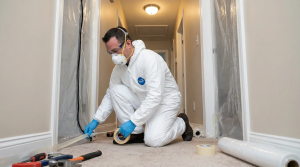
Comprehensive Guide to Whole House Repiping Services St Petersburg FL

Understanding Whole House Repiping Services St Petersburg FL
Whole house repiping services are crucial for homeowners in St. Petersburg, FL, grappling with outdated or damaged plumbing systems. These services offer a comprehensive solution by replacing existing pipes throughout the home, ensuring enhanced safety, efficiency, and water quality. If you’re experiencing recurring plumbing issues or diminished water pressure, exploring whole house repiping services St Petersburg FL may be your next vital step.
What is Whole House Repiping?
Whole house repiping refers to the procedure of replacing all existing plumbing pipes in a home with new materials. This process is often necessary when pipes have deteriorated due to age, corrosion, or damage, compromising water quality and plumbing efficiency. Generally, it is needed when traditional repair methods fail to resolve recurring issues such as leaks, reduced water pressure, or inconsistent water temperatures.
Signs You Need Whole House Repiping
Recognizing the telltale signs that your house may require repiping is essential for timely action. Here are some indicators:
- Low Water Pressure: A significant decrease in water pressure can indicate clogged or corroded pipes.
- Frequent Leaks: Regular leaks, especially in various areas of the home, may point to systemic plumbing issues.
- Rust-Colored Water: Water that appears reddish or yellow typically signals the presence of rust in pipes, indicating deterioration.
- Unusual Sounds: Noises like banging or gurgling sounds can hint at air in the pipes or blockages.
- Water Discoloration: Changes in water color or an unusual smell can signal contamination due to pipe wear.
Benefits of Whole House Repiping Services St Petersburg FL
Choosing whole house repiping offers several key advantages:
- Improved Water Quality: New pipes enhance water safety and hygiene by eliminating contaminants.
- Increased Efficiency: Upgraded systems lead to better water flow, which can decrease energy and water bills.
- Increased Property Value: A reliable plumbing system enhances your home’s resale value and appeal.
- Long-Term Solution: While initial costs may be significant, new piping provides a long-lasting solution, often with warranties against defects.
Choosing the Right Material for Repiping
Types of Repiping Materials
Several options are available for repiping, each with unique benefits:
- Copper Piping: Known for its durability and longevity, copper resists corrosion but can be more expensive and is susceptible to freeze damage.
- PEX Piping: This flexible plastic pipe is gaining popularity due to its resistance to scale and chlorine, low likelihood of corroding, and ease of installation.
- CPVC and PVC Piping: Commonly used for drain, waste, and vent systems. PVC is light and inexpensive but unsuitable for hot water applications.
Comparing Copper and PEX Piping
Both copper and PEX pipes have their pros and cons. Copper is strong and can handle high temperatures; however, its rigidity can complicate installation in tight spaces. Conversely, PEX is highly flexible, allows for fewer fittings, and is resistant to freezing, leading to lower overall installation costs. Homeowners should weigh factors like climate, installation costs, and long-term use when comparing these materials.
Cost Considerations for Different Materials
The cost of repiping largely depends on the materials chosen:
- Copper: Typically ranges from $8 to $12 per linear foot due to labor and material expense.
- PEX: Generally costs between $0.50 to $2 per linear foot, making it a more budget-friendly option.
- CPVC: Costs about $0.50 to $1.50 per linear foot, offering affordability while being suitable for hot water.
The Whole House Repiping Process Explained
Initial Inspection and Assessment
The repiping process begins with a thorough inspection of the existing plumbing system by a certified plumber. This assessment identifies issues like leaks, corrosion, and the type of materials currently in use. Homeowners can expect a detailed report outlining the specific problems, the urgency of repairs, and a proposed plan for replacement.
Step-by-Step Repiping Procedure
Once the assessment is complete, the repiping procedure involves several systematic steps:
- Preparation: Clearing the work area and informing the occupants about the process timeline.
- Pipes Removal: Disconnecting and removing the old piping carefully to prevent damage to the home.
- New Pipe Installation: Installing the new piping according to local building codes, often using PEX for its flexibility.
- Connection to Fixtures: Reconnecting all plumbing fixtures, appliances, and systems with the new piping.
- Testing: Conducting pressure tests to ensure there are no leaks in the new system.
- Final Inspection: A comprehensive inspection that confirms the installation meets all safety standards and local regulations.
Post-Repiping Inspection and Adjustments
After completion, a post-repiping inspection assesses the overall success of the project. Homeowners should be advised on any necessary adjustments to plumbing fixtures that might now function differently due to the new pressure levels in the system. Proper maintenance tips will also be provided to ensure long-term efficiency.
Cost of Whole House Repiping Services St Petersburg FL
Factors That Influence Repiping Costs
Several elements can impact the overall cost of whole house repiping services:
- Size of the Home: Larger homes require more materials and labor, increasing total costs.
- Type of Material Chosen: As discussed earlier, different materials come with varying price tags.
- Accessibility: Difficult-to-reach areas can require additional labor and time, adding to costs.
- Labor Rates: Regional labor rates can significantly affect the overall pricing, with specialized plumbers typically costing more.
- Permits and Regulations: Some projects may require permits that add to the total expense.
Average Costs for Different Home Sizes
Home size and layout significantly influence repiping costs:
- Small Home (1,000 sq. ft.): Between $2,000 and $4,000.
- Medium Home (1,500 sq. ft.): Around $4,000 to $7,000.
- Large Home (2,500 sq. ft. and above): Often ranges from $7,000 to $15,000 or more, depending on materials and complexity.
Cost-Saving Tips for Homeowners
Finding ways to reduce costs while ensuring you achieve quality results is vital. Consider these tips:
- Get Multiple Quotes: Comparing prices from various plumbing services can help you find the best deal.
- Choose Off-Peak Times: Scheduling your repiping during slower seasons can occasionally lead to discounts.
- Plan Ahead: Addressing plumbing issues early can prevent more significant, costly repairs down the line.
Frequently Asked Questions about Whole House Repiping
What does repiping involve?
Repiping involves replacing old plumbing pipes with new materials to improve water flow, safety, and efficiency.
How long does the repiping process take?
The duration depends on your home’s size, but typically, it takes 1 to 3 days to complete the entire process.
Is repiping covered by homeowners insurance?
It often is, but coverage varies by policy. Check with your insurance provider for specific terms.
How can I tell if my pipes need replacement?
Signs include low water pressure, rust-colored water, leaks, or frequent plumbing issues needing repair.
What’s the lifespan of new pipes?
New piping, depending on the material, can last 50 years or more if properly maintained.