
Building Excellence: Key Aspects of Colonial Home Construction
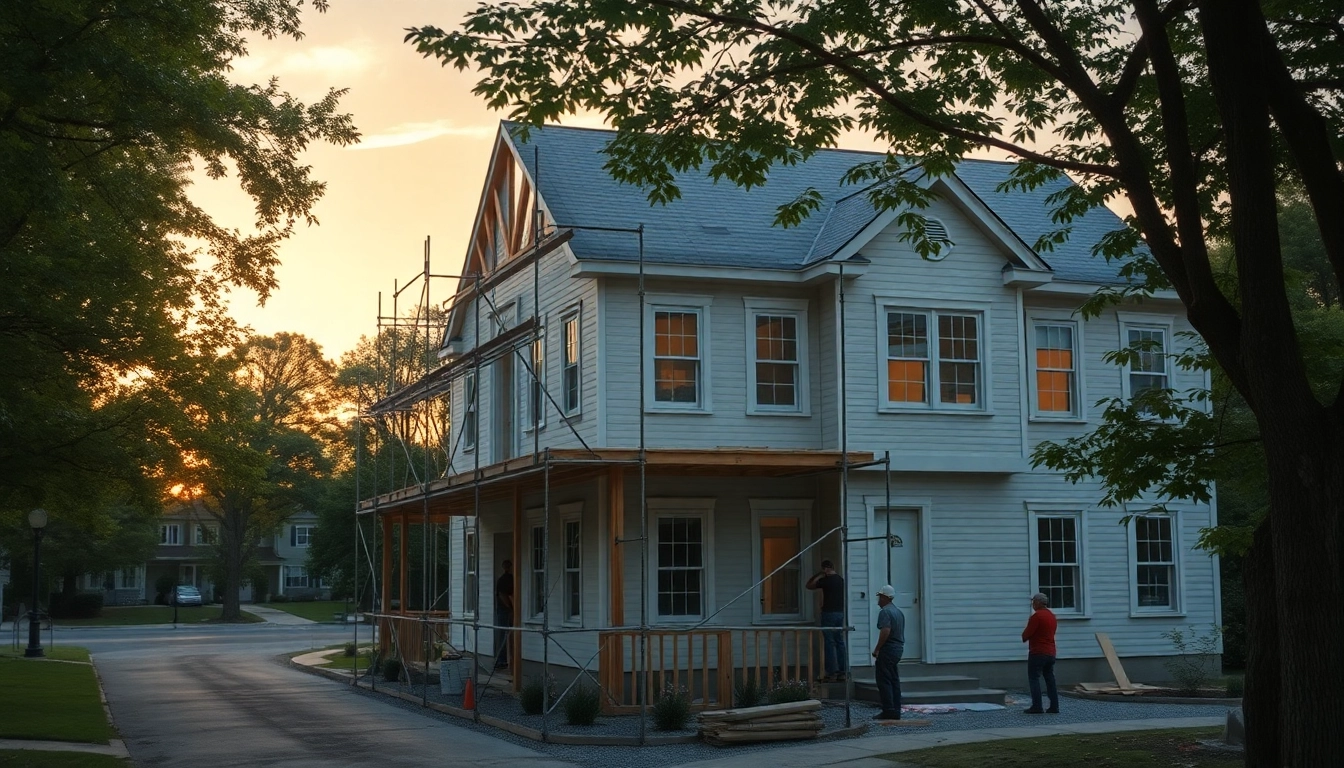
Understanding Colonial Home Construction
What is Colonial Home Construction?
Colonial home construction is a architectural style derived from the buildings and homes constructed during the Colonial period of American history. Characterized by a focus on symmetry and classic forms, these homes often evoke a sense of tradition and permanence. They draw from a variety of European influences, particularly those from England, Holland, and France. The styling elements include robust brickwork and wooden frames, creating a visually appealing structure that feels both historic and inviting. This construction style integrates modern conveniences without sacrificing its historic charm. As the demand for these homes has surged, understanding the nuances of colonial home construction becomes vital for homeowners wishing to blend aesthetic appeal with practical living solutions.
Key Characteristics of Colonial Homes
Colonial homes exhibit several defining features, setting them apart from other architectural styles. These key characteristics include:
- Symmetrical Facades: Colonial homes typically feature an evenly balanced front, often with a central door and flanking windows.
- Gabled Roofs: Steeply pitched roofs, often with dormer windows, are common.
- Use of Traditional Materials: Brick, wood siding, and stone are predominant materials that resonate with the original Colonial aesthetics.
- Fireplaces: A large central fireplace is often a focal point, historically used for heat and cooking.
- Windows: Multi-pane double-hung windows with shutters are a staple feature.
Historical Significance of Colonial Architecture
Colonial architecture holds significant historical importance. It symbolizes the early colonial efforts of American settlers who attempted to recreate the familiar design vernacular of their European homelands. This style witnessed several adaptations based on regional climates and available materials, leading to distinct variations such as Georgian and Federal colonials. The design elements echo the values of the time—stability, order, and permanence—making it not only a reflection of aesthetics but also of cultural identity. Understanding colonial architecture offers insights into America’s colonial past and the evolution of its architectural practices.
Design Considerations for Colonial Homes
Choosing the Right Materials for Colonial Home Construction
When it comes to colonial home construction, selecting appropriate materials is paramount. Traditional choices include:
- Brick: Often used in façades, brick provides durability and a classic visual appeal.
- Wood: Siding made from timber adds warmth and character, essential for authenticity.
- Stone: Used in foundations or accents, stone complements the overall structural integrity.
Eco-friendly materials, such as reclaimed wood, are also suitable for a modern twist on colonial designs while maintaining historical accuracy.
Essential Architectural Styles of Colonial Homes
Colonial architecture encompasses various styles, each with unique attributes:
- Georgian: Recognized for its balanced proportions, this style often features elaborate doorways and pediments.
- Federal: Distinct for its symmetry and decorative elements like elliptical fanlights over doors.
- Dutch Colonial: Known for its gambrel roof and wide eaves, it incorporates practical aspects suited to the climate.
- Spanish Colonial: Features stucco exteriors and red-tile roofs, influenced by the early Spanish settlers.
Understanding these architectural styles aids homeowners in making informed choices that resonate with their personal preferences and neighborhood context.
Sustainable Practices in Colonial Home Design
Modern colonial home construction increasingly embraces sustainability. Here are some practices to consider:
- Energy-Efficient Windows: Choosing double-glazed windows can significantly reduce energy consumption.
- Insulation: Implementing high-quality, sustainable insulation materials ensures year-round comfort while minimizing utility bills.
- Solar Panels: Integrating solar technology into traditional rooftops can blend modern energy solutions with historical aesthetics.
- Rainwater Harvesting: Utilizing rain barrels or underground storage can support sustainable landscaping and water conservation efforts.
Combining these practices not only enhances environmental responsibility but also increases the home’s longevity and appeal.
Planning Your Colonial Home Project
Budgeting for Colonial Home Construction
When embarking on building a colonial home, it’s essential to develop a comprehensive budget. Key expenses include:
- Land Costs: Depending on location and lot size, land prices may vary significantly.
- Materials: Quality materials for authenticity can impact costs but should be prioritized.
- Labor: Skilled labor is essential for achieving the precise detailing common in colonial architecture.
- Permits and Fees: Always include city or county permits in your finances, as they can add up.
- Contingency Fund: Allocate around 10-15% of the total budget for unforeseen expenses.
Effective budgeting reduces stress during the construction phase, allowing for better decision-making.
Timelines and Important Milestones
Timelines for colonial home construction can vary based on project scope. Generally, the timeline can be broken down as follows:
- Pre-Construction Phase: Initial planning, budgeting, and securing permits (1-3 months).
- Construction Phase: Actual building, typically ranging from 6 months to over a year, influenced by complexity.
- Post-Construction Phase: Final inspections and adjustments (1-2 months).
Setting clear milestones aids in managing expectations and ensuring timely completion.
Permitting and Regulations in Colonial Home Construction
Understanding local building codes and regulations is critical for any construction project. Generally considered are:
- Zoning Laws: Check local jurisdiction for zoning requirements and potential restrictions.
- Building Permits: Required for any structural work, these should be obtained early in the planning process.
- Historical Preservation Regulations: If building within a historic district, adherence to specific guidelines is essential.
Working with professionals familiar with local regulations can streamline this process and avoid costly setbacks.
Execution of Colonial Home Construction
Selecting a Contractor for Your Colonial Home
Choosing the right contractor is one of the most pivotal decisions in colonial home construction. Consider these factors:
- Experience: Look for contractors with a proven track record in colonial and traditional homes.
- References: Seek past client references and photographs of completed projects to assess quality.
- Communication: An effective contractor should communicate frequently and clearly throughout the process.
Interviewing multiple candidates promotes informed decision-making and ultimately a successful partnership.
Quality Control During Construction
Quality control is vital in ensuring that the colonial home meets both aesthetic and structural standards. Implement the following measures:
- Regular Site Inspections: Schedule routine visits to monitor progress and materials.
- Third-Party Inspections: Consider hiring independent inspectors to review work at key phases.
- Document Everything: Keep a detailed log of inspections, communications, and changes to the project.
Proactive quality control can prevent issues from escalating and ensures that the final output meets expectations.
Managing Challenges in Colonial Home Building
While constructing a colonial home can be rewarding, challenges often arise. Here are common issues and how to address them:
- Weather Delays: Include buffer time in the project schedule to account for inclement weather.
- Supply Chain Disruptions: Stay informed about material availability and consider alternative materials or suppliers.
- Design Changes: Encourage discussions about changes early to assess impacts on cost and timelines.
Being adaptable and maintaining clear communication can mitigate disruptions effectively.
Post-Construction Considerations
Interior Design for Colonial Homes
Once construction is complete, thoughtful interior design enhances the colonial aesthetic. Key design elements include:
- Traditional Furnishings: Select period-appropriate furniture that complements the architectural style.
- Color Palettes: Earthy tones and muted colors often reflect the historical period.
- Decorative Elements: Incorporate colonial accessories, such as antique rugs or artwork that resonate with the time.
Cohesion between interior and exterior is integral for creating a harmonious living space.
Landscaping Around Colonial Homes
Landscaping plays a critical role in the presentation of colonial homes. Effective strategies include:
- Formal Gardens: Reflecting the symmetry of the architecture, planting gardens with defined lines adds sophistication.
- Native Plants: Opt for low-maintenance, regionally native flora to enhance the landscape while encouraging biodiversity.
- Hardscapes: Incorporate brick walkways or stone patios that reinforce the home’s construction material.
Mindful landscaping not only beautifies but also complements the colonial home’s historic significance.
Maintaining Your Colonial Home Over Time
Maintenance is crucial for preserving the integrity and beauty of colonial homes. Regular checks on the following aspects are advisable:
- Roof Inspection: Monitor roofing and replace shingles as necessary to protect against water damage.
- Foundation Checks: Keep an eye out for signs of settling or degradation.
- Pest Control: Schedule periodic inspections for termites and pests that could impact wooden structures.
Effective maintenance can extend the life of the home and retain its value over time.
FAQs
What defines colonial home construction?
Colonial home construction refers to the building style inspired by the architecture of North America during the Colonial period, emphasizing symmetry and classic materials.
How long does it take to build a colonial home?
Typically, constructing a colonial home can take anywhere from 6 months to over a year, depending on size, complexity, and permitting processes.
What materials are best for colonial homes?
Optimal materials include brick, wood siding, and stone, reflecting the traditional aesthetic while ensuring durability and historical accuracy.
Are colonial homes energy-efficient?
Modern colonial homes can incorporate energy-efficient designs, including insulation and windows, while maintaining traditional aesthetic elements.
How can I finance my colonial home construction?
Financing options include mortgages, specialized construction loans, and personal savings. Consulting with a financial advisor can help navigate the best approach.