Lab DC Power Supply Cost Breakdown: What You Actually Pay in 2026
Understanding Lab DC Power Supplies
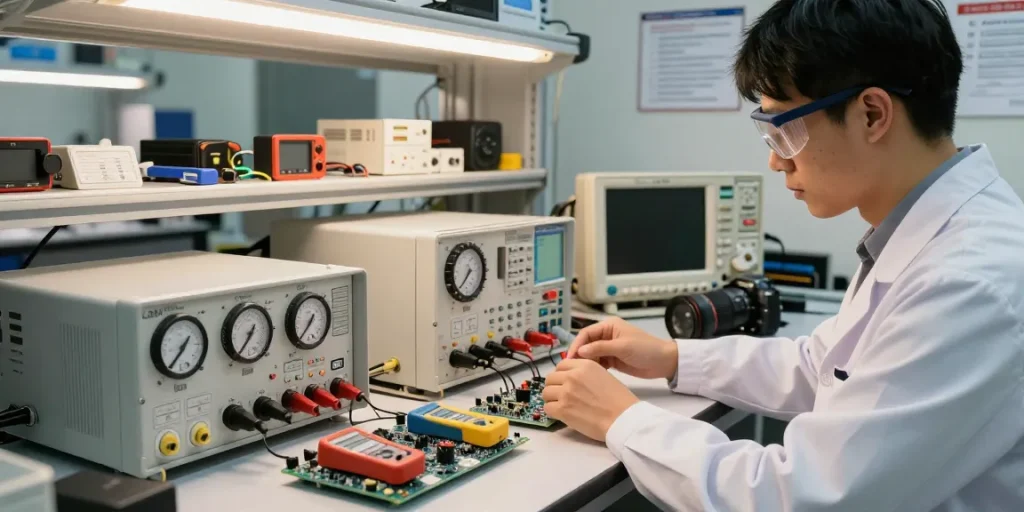
Lab DC power supplies are essential tools in the field of electronics, providing a stable and adjustable direct current (DC) output for a wide range of applications. In labs, educational institutions, and industrial environments, these devices are crucial for testing and powering equipment, from simple circuits to complex electronic systems. With the ability to deliver precise voltage and current levels, lab DC power supplies ensure reliability and accuracy in experimental and production settings. When exploring options, Lab DC Power Supply solutions offer a variety of features tailored to meet diverse needs.
What is a Lab DC Power Supply?
A lab DC power supply is a device that converts alternating current (AC) from a wall outlet into a regulated direct current (DC). This conversion is essential for powering electronic components that require a steady voltage and current without fluctuations. Lab DC power supplies typically feature adjustable output settings, allowing users to calibrate the voltage and current based on their specific requirements. These units are designed for precision, making them indispensable in research, development, and educational settings.
Key Features and Specifications
- Output Voltage Range: The range of voltage output, measured in volts (V), varies by model and can range from low levels, such as 0-30V, to higher outputs of 0-60V or more.
- Output Current: Current capacity, measured in amperes (A), indicates the maximum current the supply can deliver. Typical ranges include 0-5A, 0-10A, or even higher in industrial units.
- Programmability: Many modern DC power supplies offer programmable settings, allowing users to save and recall specific configurations for repeated tests.
- Accuracy: Precision is critical; therefore, output accuracy is specified in terms of percentage (% of rated output).
- Safety Features: Over-voltage, over-current, and short-circuit protections are standard safety features that ensure devices operate safely under various conditions.
Common Applications in Various Industries
Lab DC power supplies are versatile tools that find applications across multiple industries:
- Research and Development: Used in laboratories to test circuits, components, and prototypes during the engineering process.
- Educational Institutions: Provides students with hands-on experience in electronics and engineering courses.
- Manufacturing: Essential for quality control in production lines to ensure that electronic devices meet specified performance criteria.
- Repair and Maintenance: Used in service centres to diagnose and repair electronic devices and systems.
Cost Factors for Lab DC Power Supplies
The price of lab DC power supplies can vary widely based on features, specifications, and brand reputation. Understanding the cost factors involved can help buyers make informed decisions.
Initial Investment vs Long-term Value
While it may be tempting to opt for the cheapest model, investing in a high-quality lab DC power supply often translates to long-term value. Premium models tend to offer greater accuracy, more features, and better reliability than lower-cost alternatives. When selecting a power supply, consider the potential returns from reduced maintenance and replacement costs. A unit that lasts several years with minimal issues can significantly offset its higher purchase price.
Maintenance Costs and Considerations
Regular maintenance is essential to the longevity of lab DC power supplies. This includes calibration to ensure accuracy and checking for wear on components such as voltage regulators. Users should factor in these maintenance costs when budgeting for a power supply. Additionally, some brands offer extended warranties and service plans that can reduce long-term operational costs.
Comparing Different Models and Brands
When comparing models, key specifications such as output voltage range, current capacity, programmability, and safety features should be evaluated. Brands with a strong reputation in the market often offer better customer support and service, adding to their value proposition. Reading reviews and seeking feedback from industry peers can also provide insights into the reliability of different models.
Choosing the Right Lab DC Power Supply
Selecting the appropriate lab DC power supply involves assessing your specific requirements and understanding the essential features that will meet those needs effectively.
Important Specifications to Consider
Focus on specifications such as:
- Voltage and Current Requirements: Identify the voltage and current levels needed for your applications to ensure compatibility.
- Precision and Accuracy: Look for supplies with minimal ripple voltage and high precision to ensure reliable results.
- Safety Features: Ensure the unit includes built-in protections against common electrical faults.
Evaluating Power Needs for Projects
Before making a purchase, assess the types of projects you plan to undertake. For example, if you’ll be working with delicate components, precision is crucial, while more robust equipment might only require basic functionality. Understanding your project requirements will help you select a power supply that balances power needs with cost.
Tips for Selecting the Best Unit for Your Needs
Here are a few tips to help you choose the best lab DC power supply:
- Assess Future Needs: Consider the potential growth of your projects and whether a more powerful supply might be needed in the future.
- Check User Reviews: Research customer feedback on usability and reliability to gauge performance.
- Consult Industry Experts: Seek advice from colleagues or industry-specific forums to gather insights on the best models.
Future Trends in Lab DC Power Supplies
The landscape of lab DC power supplies is evolving, driven by technological advancements and changing industry needs.
Technological Innovations on the Horizon
Innovations such as smart power supplies capable of remote monitoring and control are emerging. These devices can be integrated into the Internet of Things (IoT) ecosystem, enabling users to manage supply settings from their smartphones or other devices. Additionally, advancements in battery technology may lead to more portable and efficient power supplies.
Market Demand Predictions for 2026
Market analysis suggests that the demand for lab DC power supplies will continue to grow as industries increasingly rely on electronic solutions. As more sectors adopt automation and smart technologies, the need for reliable and precise power supplies will rise, fostering innovation and competition in the market.
Adapting to Changes in Industry Standards
As technology progresses, manufacturers must adapt their products to meet new safety and performance standards. Staying informed about these changes is crucial for purchasers, ensuring compliance and optimal functionality of their power supplies.
Frequently Asked Questions
What are the main types of Lab DC Power Supplies?
Lab DC power supplies come in various types, including linear power supplies, switching power supplies, and programmable supplies. Each type has its unique advantages depending on the application, with programmable supplies offering the most flexibility for complex testing scenarios.
How can I ensure safety when using a Lab DC Power Supply?
To ensure safety, always follow the manufacturer’s guidelines for operation. Use the power supply within its specified limits to prevent damage or accidents. It’s also advisable to regularly inspect the unit for any signs of wear or malfunction.
Are there any regulatory standards for Lab DC Power Supplies?
Yes, lab DC power supplies must adhere to international and local safety standards, such as the IEC (International Electrotechnical Commission) standards, which ensure that devices are safe for use in laboratory environments.
What maintenance practices extend the lifespan of Lab DC Power Supplies?
Regularly calibrating the power supply, keeping it clean, and ensuring proper ventilation can significantly extend its lifespan. Avoid overloading the device and store it properly when not in use to prevent damage.
Can a Lab DC Power Supply be used for multiple applications?
Absolutely! Many lab DC power supplies are versatile and can be used for various applications, including testing circuits, powering prototypes, and conducting experiments. The modular nature of these devices allows users to adapt them for different requirements as needed.