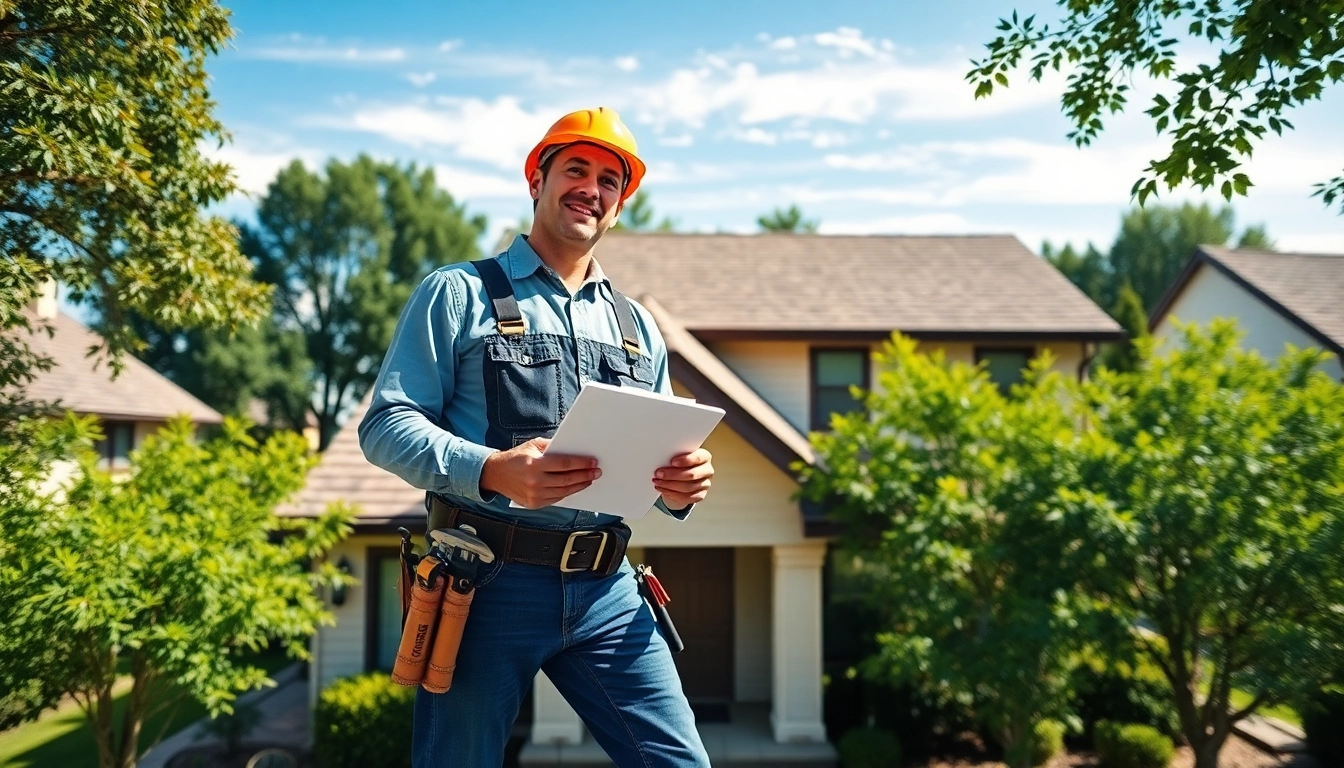
The Importance of Hiring a Roofing Contractor
When it comes to home improvement, the roofing system is one of the most crucial components to focus on. A strong, well-installed roof protects your home from the elements, enhances energy efficiency, and adds to the overall aesthetics of your property. Therefore, enlisting the help of a skilled Roofing contractor is essential for ensuring the longevity and integrity of your roof. In this comprehensive guide, we delve into the vital aspects that underline the significance of working with a reputable roofing contractor.
Understanding the Role of a Roofing Contractor
A roofing contractor is not just a laborer who puts shingles on your roof; they are a specialized professional trained in various aspects of roofing systems. Their roles typically involve:
- Assessment of the existing roofing structure.
- Expert advice on materials and design.
- Quality installation and repairs.
- Compliance with safety and building codes.
- Ensuring high standards of workmanship.
Ultimately, their expertise ensures that your roofing project runs smoothly from start to finish, adhering to timelines and budget constraints.
Common Misconceptions About Roofing Contractors
Many homeowners have misconceptions about roofing contractors that can lead to poor decision-making. Here are a few of the most prevalent myths:
- All roofing contractors are the same: This is far from true. The quality of workmanship, materials used, and customer service can vary significantly among contractors.
- Roofing work can be a DIY project: While minor repairs can be undertaken by knowledgeable homeowners, significant roofing projects usually require professional expertise to ensure safety and durability.
- Roofing contractors don't need licenses: In many states, roofing contractors must be licensed and insured, validating their skill level and commitment to quality.
Understanding these misconceptions helps homeowners make informed choices when hiring a contractor.
Benefits of Working with a Qualified Roofing Contractor
Working with a qualified roofing contractor offers several advantages, including:
- Quality Workmanship: Professional contractors are trained and experienced, ensuring that your roof is installed correctly.
- Access to Quality Materials: Contractors often have access to high-quality materials that may not be available to the general public.
- Safety Compliance: Experienced contractors adhere to all necessary safety standards, protecting both workers and homeowners.
- Insurance and Warranty: A reputable contractor typically carries liability insurance and offers warranties on their work, providing peace of mind for homeowners.
Taking the opportunity to engage with knowledgeable professionals leads to better outcomes and long-term value for homeowners.
How to Choose the Right Roofing Contractor
Choosing the right roofing contractor is crucial for ensuring the success of your roofing project. Here are guidelines that can help you navigate this important decision.
Key Qualities to Look for in a Roofing Contractor
When evaluating potential contractors, consider the following qualities:
- Experience: Look for contractors with a proven track record of successful roofing projects.
- Local Knowledge: A contractor familiar with local weather conditions and building codes can provide better suggestions and services.
- References and Reviews: Satisfied customers are the best advertisement. Check for online reviews and ask for references.
- Transparency: A trustworthy contractor should be open about all aspects of the project, from timelines to costs.
By focusing on these key attributes, homeowners can identify qualified candidates for their roofing projects.
Questions to Ask Potential Roofing Contractors
When interviewing contractors, ask targeted questions to gauge their expertise and reliability. Essential questions include:
- What is your experience with projects of this size and nature?
- Can you provide a list of references from past clients?
- What is the estimated timeline for completing the project?
- Do you offer warranties on your work and the materials used?
- How do you handle unexpected costs during the project?
These inquiries help clarify the contractor's capabilities and align expectations for the roofing project.
Assessing Contractor Experience and Reputation
The reputation of a roofing contractor is critical in making an informed decision. To evaluate a contractor's experience and reputation effectively, consider the following strategies:
- Investigate their business history, including years in operation.
- Look into any complaints lodged against them with local consumer protection agencies.
- Review their portfolio of past projects to assess quality and scope.
- Consult local building associations or trade organizations for credibility verification.
By conducting thorough research, homeowners can select a contractor that is both reliable and highly capable.
Types of Roofing Services Offered by a Roofing Contractor
A roofing contractor can provide a variety of services tailored to both residential and commercial properties. Understanding the different types of services offered will help homeowners choose the right contractor to fit their needs.
Residential vs. Commercial Roofing
Roofing services differ significantly between residential and commercial properties. Here’s a breakdown:
- Residential Roofing: This involves more aesthetic considerations and usually utilizes shingles, tiles, or metal roofing. Residential roofing tends to focus on durability, style, and energy efficiency.
- Commercial Roofing: Typically requires flat or low-slope roofing systems and may utilize materials like EPDM, TPO, or built-up roofing. This type emphasizes functionality and long-term low maintenance costs.
Understanding these distinctions helps homeowners or business owners choose the right type of contractor for their specific needs.
Roof Repair and Maintenance Services
Regular maintenance and repair are crucial in extending the lifespan of any roofing system. Services generally offered include:
- Routine inspections to identify potential issues.
- Leak repairs and emergency services.
- Replacement of damaged shingles or tiles.
- Cleaning gutters and downspouts to ensure proper drainage.
- Preventive measures to protect against mold and mildew.
By opting for regular maintenance, homeowners can avoid costly repairs in the long run and ensure their roof remains in optimal condition.
Roof Installation Options: Materials and Techniques
Roof installations can vary widely based on the selected materials and methods. Common materials include:
- Asphalt Shingles: Affordable and easy to install, these are common in residential roofing.
- Metal Roofing: Durable and energy-efficient, metal options are increasingly popular among homeowners.
- Tile Roofing: Recognized for its longevity and aesthetic appeal, although more expensive.
- Flat Roofing Systems: Commonly used in commercial buildings, requiring specific materials and maintenance techniques.
Choosing the right materials and installation techniques is critical in enhancing the roof's performance and longevity.
Understanding Roofing Costs and Estimates
Roofing projects can present varying costs based on several factors. It's essential for homeowners to have a clear understanding of roofing costs before initiating any projects.
Factors Influencing Roofing Costs
Numerous factors can impact the overall cost of roofing projects, including:
- Roof Size: Larger roofs will naturally incur higher material and labor costs.
- Material Selection: Premium materials tend to cost more but may offer better longevity and warranties.
- Roof Condition: If extensive repairs are required before installation, additional costs will be incurred.
- Labor Costs: Rates can vary significantly based on the contractor’s experience and geographical location.
By understanding these factors, homeowners can better budget for their roofing projects.
How to Get Accurate Roofing Estimates
To obtain accurate estimates, homeowners should follow these steps:
- Request multiple quotes from different contractors.
- Ensure estimates include detailed breakdowns of labor and material costs.
- Discuss timelines to ascertain if they influence the total costs.
- Ask about any potential additional fees that may arise during the project.
By comparing estimates and ensuring transparency, homeowners can make informed decisions when hiring contractors.
Budgeting for Unexpected Roofing Expenses
Unexpected issues can arise during a roofing project, such as hidden water damage or structural problems. It is prudent for homeowners to:
- Set aside 10-20% of the total budget for unforeseen costs.
- Inquire with contractors about common unexpected issues that could arise.
- Engage in thorough inspections before beginning work to minimize surprises.
Preparedness can significantly alleviate stress and financial strain during the roofing process.
Frequently Asked Questions about Roofing Contractors
What should I expect during a roofing consultation?
During a consultation, the contractor will assess your roof, discuss your needs, and offer advice on the best materials and solutions for your project.
How long does a typical roofing project take?
The duration of a roofing project can range from a few days to a couple of weeks, depending on the project size, complexity, and weather conditions.
Why is regular roof maintenance important?
Regular maintenance prevents small issues from evolving into major problems, ensuring the roof's longevity and protecting the home's overall integrity.
What warranties should a roofing contractor offer?
A reputable contractor should provide warranties that cover both workmanship and materials, often ranging from 5 to 25 years, depending on the materials used.
How can I ensure my roof remains in good condition?
Regular inspections, cleaning gutters, removing debris, and addressing minor repairs promptly can help maintain the roof in optimal condition.