Understanding the Role of Professional Carpet Fitters
When it comes to choosing and installing carpets in your home or office, the expertise of professional carpet fitters near me can make all the difference. These skilled tradespeople not only ensure that the carpet is laid correctly but also help in making the right choices for your space. The right installation elevates the aesthetics and functional quality of your flooring, ultimately contributing to a comfortable and stylish environment.
What Do Professional Carpet Fitters Do?
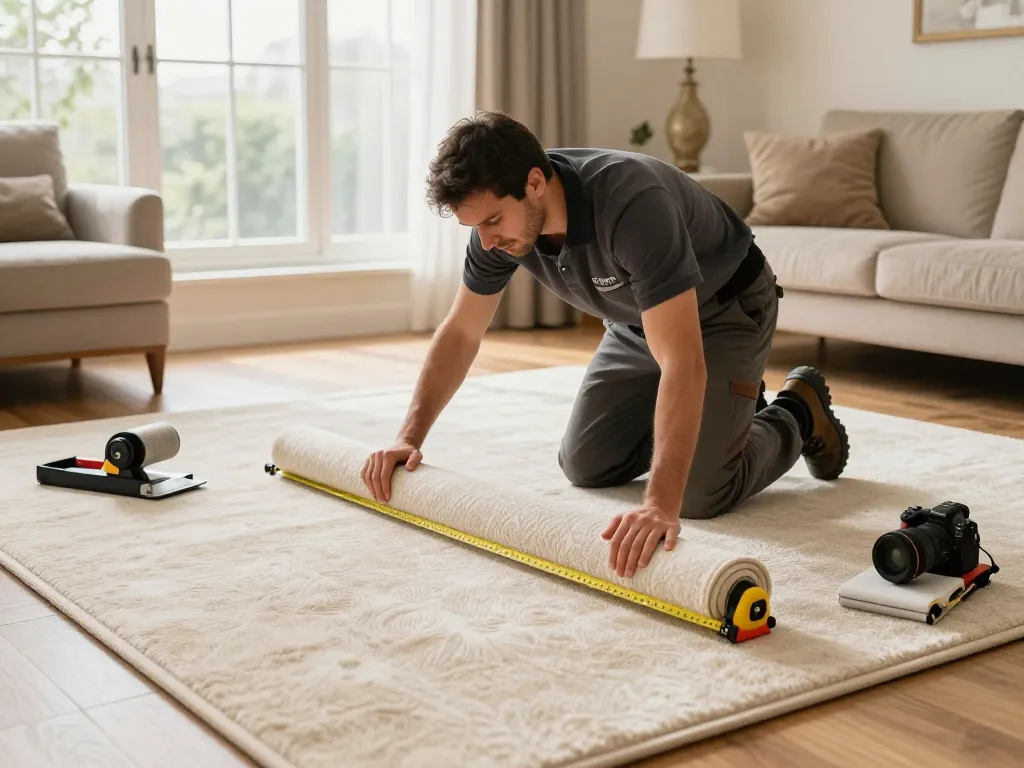
Professional carpet fitters specialize in measuring, cutting, and installing carpet in residential and commercial spaces. Their work involves a variety of tasks, including:
- Measuring Spaces: Accurate measurements are crucial to avoid wastage and ensure a perfect fit.
- Preparing the Subfloor: This often involves cleaning, leveling, and sometimes repairing the surface to ensure it can support a carpet installation.
- Cutting and Fitting: Expertly cutting the carpet to fit the particular layout of the room.
- Securing the Carpet: Using techniques like tack strips, adhesive, or stretch fitting to secure the carpet in place.
- Finishing Touches: This can include trimming edges and ensuring seams are seamless.
Benefits of Hiring Expert Carpet Fitters
While DIY carpet installation may seem tempting, hiring professional carpet fitters provides numerous benefits:
- Expertise: Professional fitters have experience with various types of carpets and know the best methods for installation.
- Time-Saving: Professionals can complete the job more quickly than an inexperienced person.
- Quality Assurance: With their skills, they can avoid common pitfalls that would lead to poor installation.
- Warranties: Many professionals offer warranties on their work, providing additional peace of mind.
Common Myths about Carpet Installation
There are several misconceptions surrounding carpet installation. Here are a few:
- Myth 1: All carpets can be installed in the same way. Truth: Different carpets require different installation methods.
- Myth 2: Carpet installation is a simple DIY project. Truth: It requires specific skills and tools for a successful outcome.
- Myth 3: Professional installation is unnecessary if you follow tutorials. Truth: The nuances of proper installation often escape even dedicated DIYers.
Choosing the Right Carpet for Your Space
Selecting the ideal carpet involves understanding both the aesthetic and functional aspects of a flooring choice. Key factors include material, color, texture, and size. There’s much to consider to ensure that your choice complements your space while being durable and easy to maintain.
How to Select the Best Carpet Material
Carpets come in various materials, each with their advantages:
- Nylon: Durable and stain-resistant, ideal for high-traffic areas.
- Polyester: Soft and available in many colors, but less durable than nylon.
- Wool: Natural, eco-friendly, and luxurious but can be pricier.
- Olefin: Good for outdoor areas due to its moisture resistance.
Design Tips for Carpet Color and Texture
Choosing the right color and texture is vital for enhancing your space:
- Light Colors: Can make a space feel larger but may show dirt more quickly.
- Dark Colors: Provide a cozy feel and hide dirt better.
- Texture: Loop pile carpets are durable, while cut pile offers a softer feel.
Carpet Size and Space Considerations
When selecting carpet size, consider:
- Room dimensions to avoid seams and wastage.
- Furniture arrangement which can influence the overall impression of the room.
- The flow of the space, as larger rooms may benefit from different textures or patterns to enhance visual interest.
Finding Professional Carpet Fitters Near Me
Finding trusted local experts for carpet fitting is essential for ensuring quality installation. Consider utilizing various resources to seek recommendations and reviews.
Where to Look for Local Experts
There are several avenues to find qualified carpet fitters:
- Online Platforms: Websites like Yelp and Angie's List can provide reviews and ratings.
- Social Media: Local community groups on platforms can offer personal recommendations.
- Home Improvement Stores: Often provide installation services or can recommend trusted local fitters.
How to Evaluate Carpet Fitting Services
When assessing potential fitters, ask about:
- Experience: How long have they been in the business?
- Certifications: Are they certified or affiliated with industry associations?
- Insurance: Do they have liability insurance to protect against damages?
Questions to Ask Before Hiring
Be prepared with questions to ensure you hire the right professional:
- What is your installation process?
- Can you provide references or examples of past work?
- What warranties do you offer on your services?
The Carpet Installation Process Explained
Understanding the carpet installation process can help demystify what to expect. A well-structured approach can guarantee effective results and a smooth experience.
Preparation Steps for Carpet Installation
Preparation is key to ensuring a successful carpet installation:
- Clear the Area: All furniture and items should be removed from the space.
- Inspect the Subfloor: Check for any issues that need to be addressed before laying down the carpet.
- Acclimatize the Carpet: Let the carpet sit in the installation area to adapt to temperature and humidity.
Installation Techniques Used by Professionals
Different techniques can be employed during the installation process based on the carpet type:
- Stretch-In Installation: Commonly used for residential carpets, utilizing tack strips to hold the carpet in place.
- Glue-Down Installation: Best for commercial carpets, involving adhesive directly applied to the subfloor.
- Floating Installation: Popular for modular carpet tiles or planks that click together.
Post-Installation Care and Maintenance
After installation, proper maintenance is crucial:
- Regular Vacuuming: Helps maintain appearance and prolongs the carpet life.
- Professional Cleaning: Schedule deep cleaning every 12 to 18 months.
- Protection: Use entrance mats to reduce dirt and moisture from entering your home.
2026 Trends in Carpet Fitting and Design
As we advance into 2026, various trends are influencing carpet fitting and design, reflecting changing preferences and innovations in materials.
Emerging Carpet Trends to Watch
Keep an eye on the following trends:
- Textured Carpets: Increasingly popular for adding depth and visual interest to spaces.
- Bold Patterns: Floral and geometric patterns are making a comeback, providing unique personality to interiors.
- Eco-Friendly Options: With rising awareness, sustainable materials such as recycled fibers are gaining traction.
Technological Innovations in Carpet Fitting
Innovations such as:
- Advanced Fiber Technologies: Offering improved stain resistance and durability.
- Smart Carpets: Integrating sensors to monitor foot traffic and alert for cleaning needs.
Environmental Considerations in Carpet Selection
As sustainability becomes central to consumer choices, consider:
- Recyclable Materials: Opting for carpets made from materials that can be recycled at their end of life.
- Low VOC Emissions: Choosing carpets that emit fewer volatile organic compounds to improve indoor air quality.
What qualifications should a professional carpet fitter have?
It is essential for professional carpet fitters to have proper training, certifications, and experience reflected in their portfolio. Many fitters complete apprenticeships or formal training programs that certify them in industry standards.
How long does carpet installation typically take?
The duration of carpet installation varies based on the job size and complexity. Typically, a standard room can be completed in a few hours, while larger areas may take a day or more.
What factors influence carpet installation costs?
Common factors include:
- The type of carpet selected.
- The size of the area being carpeted.
- Labor rates in your local area.
- Preparation work required for the subfloor.
Can I install carpet myself or should I hire a professional?
While DIY installation is possible, hiring a professional is often advisable for best results, particularly in complex installations or when dealing with high-end materials.
What are the signs that I need new carpet?
Indicators that it may be time for new carpet include:
- Visible wear and tear, such as fraying or discoloration.
- Persistent odors that won’t go away.
- Allergies worsened by dust and allergens trapped in old carpets.