Understanding Haulage in Today's Logistics Landscape
In an age where speed and reliability are paramount, the haulage industry has evolved dramatically to meet the demands of businesses across various sectors. Haulage, at its core, refers to the transportation of goods from one location to another, and it plays a critical role in supply chain management. With the rise of e-commerce and global trade, understanding the intricacies of haulage has never been more important. Companies like Haulage have emerged as leaders in providing timely solutions, ensuring that goods are delivered on time and in excellent condition.
What is Haulage?
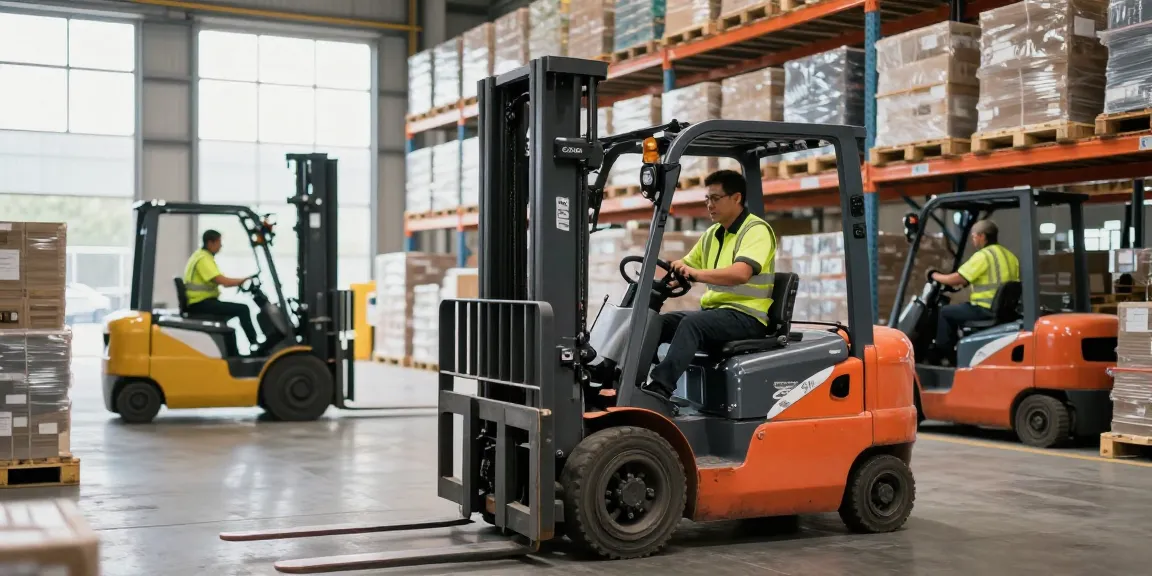
Haulage encompasses various transport methods, including road, rail, air, and sea. Each mode has its own set of advantages and is selected based on factors such as distance, urgency, and type of cargo. For instance, road haulage is often favored for its flexibility and door-to-door service, while air freight is chosen for its speed. Understanding these choices is crucial for businesses seeking the most effective logistics strategy.
The Importance of Timely Transport Solutions
In today's fast-paced environment, timely delivery can significantly impact customer satisfaction and ultimately a company's bottom line. Delays can lead to lost sales, diminished reputation, and strained relationships with clients. As such, companies providing haulage services must prioritize reliability and efficiency. This is particularly true for time-critical transport solutions, where a company like Bennison Transport excels by offering collection within an hour and 24/7 operational capabilities.
Current Trends Impacting the Haulage Industry
The haulage industry is currently experiencing several key trends, including the integration of technology, a stronger focus on sustainability, and the rise of automation. Technology such as advanced tracking systems allows for real-time updates, enhancing transparency and trust between service providers and clients. Furthermore, sustainability is becoming a pressing concern, with companies exploring greener transportation options, including electric and hybrid vehicles.
Key Components of Effective Haulage Services
Types of Vehicles Used in Haulage
The choice of vehicle is critical in haulage, as it directly influences the ability to deliver goods safely and efficiently. Different types of vehicles cater to various cargo needs:
- Small Vans: Ideal for light loads and urban deliveries.
- Medium Wheelbase Vehicles: Suitable for a balance between capacity and maneuverability.
- Long Wheelbase Trucks: Designed for larger loads, often used for intercity transport.
- Articulated Lorries: Capable of carrying heavy and bulky items over long distances.
Using the right type of vehicle ensures that goods are transported securely and efficiently, which is essential for maintaining service standards.
Essential Technology for Tracking and Efficiency
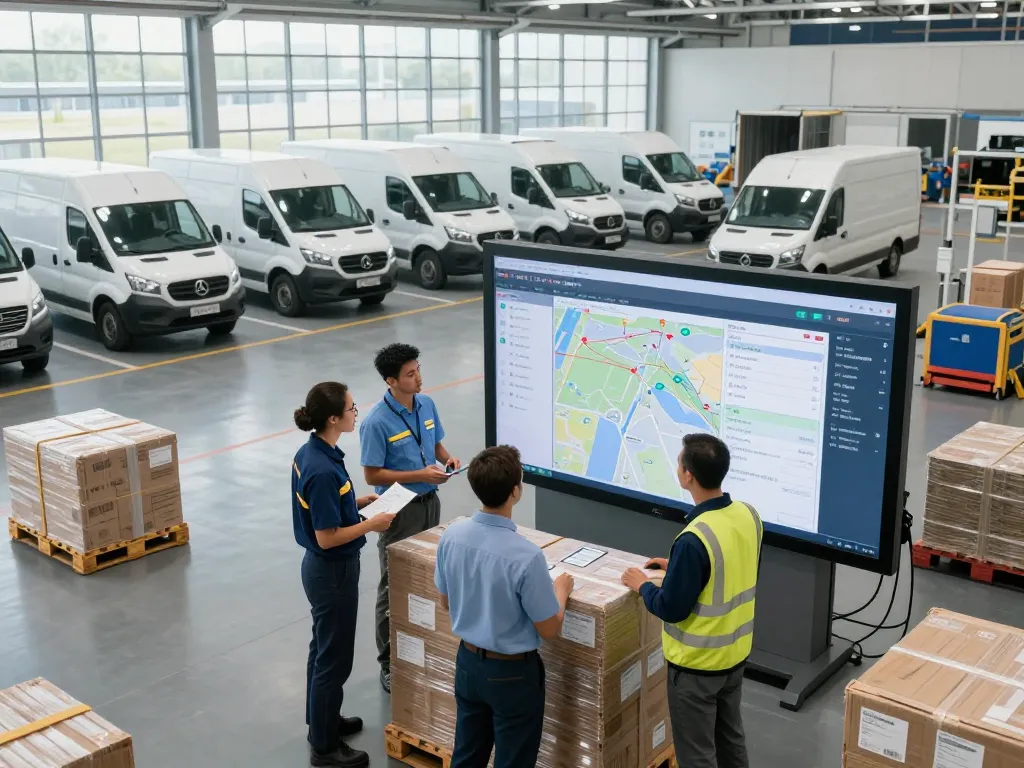
Modern haulage companies invest heavily in technology to streamline their operations. Fleet management systems play a vital role in tracking vehicles, optimizing routes, and managing driver performance. Additionally, GPS tracking provides clients with real-time visibility into their shipments, increasing transparency and trust. Overall, the integration of technology in haulage enhances responsiveness and operational efficiency.
Understanding Transport Insurance and Safety Protocols
Transport insurance is a crucial aspect of haulage, providing financial protection for both the service provider and the client. Various types of coverage are available, including cargo insurance, which insures the goods being transported against loss or damage. Haulage companies must adhere to strict safety protocols, ensuring drivers comply with traffic regulations and that vehicles are regularly inspected and maintained.
Best Practices for Optimizing Haulage Operations
Strategies for Streamlining Logistics Processes
To optimize haulage operations, companies should adopt several best practices:
- Implement Automation: Automate routine tasks such as booking and billing to reduce errors and save time.
- Utilize Data Analytics: Analyze performance metrics to identify inefficiencies and improve service delivery.
- Enhance Communication: Maintain open lines of communication between drivers, dispatchers, and clients to address issues promptly.
Real-World Case Studies of Successful Haulage
Examining successful transport operations can provide valuable insights. For example, a leading manufacturing company faced delays due to inefficient logistics. By partnering with a dedicated haulage provider, they streamlined their supply chain, resulting in a 30% reduction in delivery times and improved customer satisfaction.
Measuring Performance and Success in Haulage
To assess the effectiveness of haulage services, companies should establish key performance indicators (KPIs) related to delivery times, customer satisfaction, and cost efficiency. Regularly reviewing these metrics allows companies to make informed decisions that drive performance improvements.
Challenges Faced by Haulage Companies
Understanding Regulatory Compliance and Obstacles
The haulage industry is heavily regulated, with strict compliance requirements that vary across regions and countries. Understanding and adhering to these regulations is crucial for avoiding penalties and ensuring smooth operations. Companies must stay updated on changes in legislation affecting vehicle standards, driver qualifications, and environmental regulations.
Addressing Common Misconceptions about Haulage
There are common misconceptions surrounding haulage that can hinder understanding. One prevalent myth is that all transport companies provide the same level of service. In reality, quality varies significantly based on experience, technology, and customer focus. It is essential for companies to communicate their unique value propositions clearly.
Impact of Market Fluctuations on Haulage Services
Market fluctuations, including changes in fuel prices and demand spikes, directly impact haulage costs and availability. Companies must be agile and adaptable, adjusting their operations and pricing strategies in response to market conditions to remain competitive.
The Future of Haulage: Predictions for 2026 and Beyond
Emerging Technologies in the Haulage Sector
As we look ahead, several emerging technologies are poised to transform the haulage industry. Autonomous vehicles, drone deliveries, and blockchain for supply chain management are just a few innovations that could reshape how goods are transported. Adoption of these technologies will likely increase efficiency and reduce operational costs.
Sustainability Trends Affecting the Haulage Industry
The move towards sustainability is gaining momentum within the haulage sector. Companies are increasingly investing in electric vehicles and exploring alternative fuels, contributing to lower emissions and a reduced carbon footprint. This shift not only complies with regulations but also aligns with consumer demand for environmentally friendly practices.
Preparing for Market Changes in Haulage
To thrive in a rapidly evolving market, haulage companies must remain proactive. This involves continuously analyzing industry trends, investing in technology, and developing flexible business strategies. By staying ahead of the curve, they can capitalize on new opportunities and mitigate potential challenges.
What are the benefits of using a time-critical haulage service?
Utilizing a time-critical haulage service ensures prompt deliveries, enhancing customer satisfaction. Businesses benefit from increased operational efficiency, improved cash flow, and reduced inventory costs, as they can meet urgent demands without delay.
How does insurance coverage work in haulage transport?
Insurance coverage in haulage protects against loss or damage of goods during transportation. It is critical for both shippers and carriers to understand the terms of coverage, exclusions, and claims processes to mitigate risks effectively.
What types of vehicles are typically used for haulage?
Various vehicles are used in haulage, including vans for small loads, trucks for medium to large shipments, and articulated lorries for heavy and oversized cargo. The choice of vehicle depends on the nature of the goods and the delivery requirements.
How can I track my shipment during transport?
Most reputable haulage companies provide tracking systems that offer real-time updates on shipment locations. Customers can access this information via online portals or mobile applications, ensuring they are informed throughout the transport process.
What are the common challenges in the haulage industry?
Challenges in the haulage industry include regulatory compliance, rising fuel costs, driver shortages, and the need for modern technology. Addressing these issues requires a combination of strategic planning, investment, and workforce management.