Expert Guide to Spray Foam Removal London: Navigating the Process Safely and Effectively
Understanding Spray Foam Removal London
What is Spray Foam Insulation?
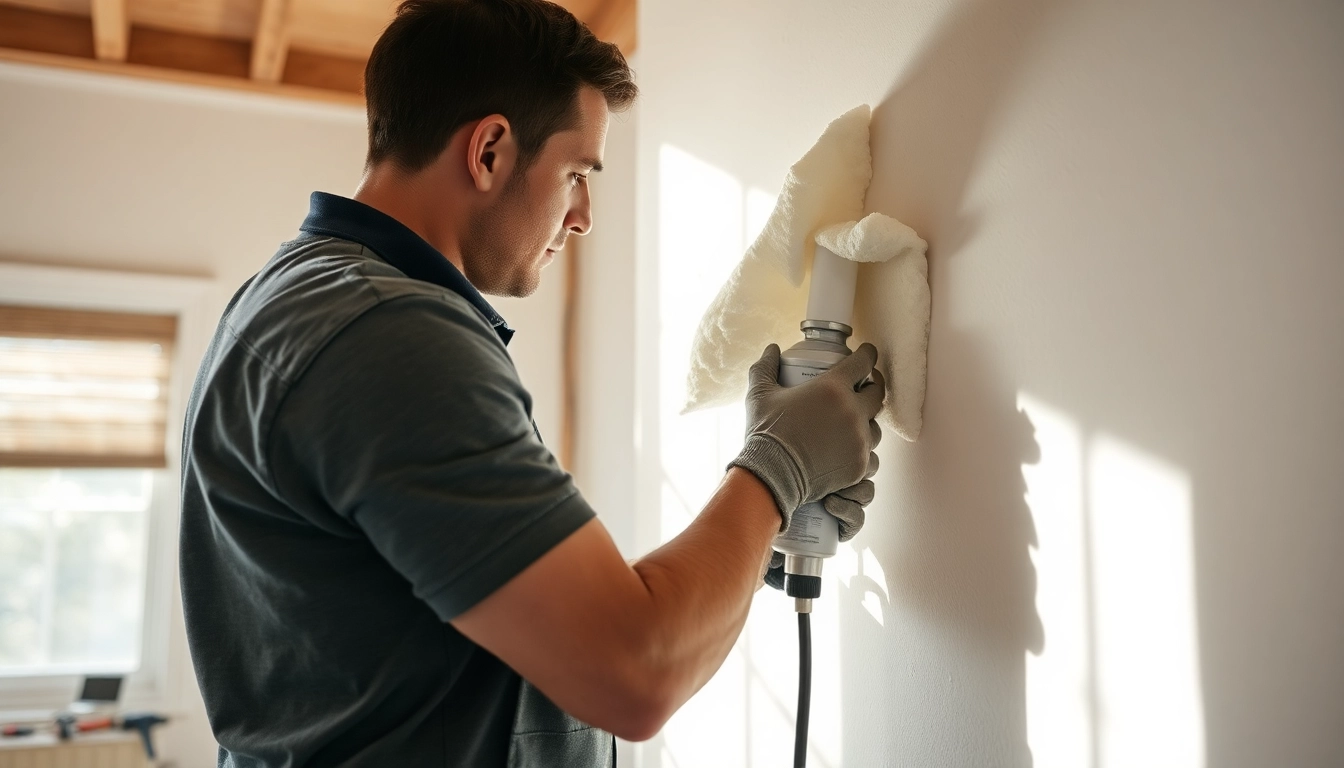
Spray foam insulation is a popular choice for energy efficiency in both residential and commercial spaces. Composed of polyurethane foam, it is applied as a liquid that expands and hardens into a solid, creating an excellent air barrier. Its high R-value means it effectively insulates against heat loss, making it a preferred option for many property owners. However, over time, there can be issues that necessitate the removal of spray foam insulation, making understanding the removal process crucial, especially for those located in the capital – spray foam removal London.
Common Reasons for Spray Foam Removal
While spray foam insulation offers numerous benefits, various factors might compel homeowners or business owners to consider its removal. Common reasons include:
- Water Damage: Infiltration of moisture can compromise the integrity of the foam, leading to mold growth and structural issues.
- Insulation Inefficiency: Changes in insulation standards or inefficiencies in the original application can necessitate removal and replacement.
- Renovations: Major renovations or structural modifications often require the removal of existing insulation to accommodate new designs or materials.
- Health Concerns: Chemical off-gassing from poorly installed or old spray foam can lead to health issues if not removed.
- Repair Work: If repairs to the underlying substrate are necessary, the foam insulation may need to be removed.
Risks of Improper Removal
Improper removal of spray foam can pose risks not only to health but also to the integrity of the structure. Breathing in harmful particles, exposure to residual chemicals, and potential damage to underlying materials are significant concerns. Additionally, inadequate removal techniques can leave behind remnants of foam that continue to affect air quality and insulation performance. Thus, seeking professional help for spray foam removal is highly advised.
Choosing the Right Professionals for Spray Foam Removal London
Qualifications to Look For
Selecting the right professionals for spray foam removal involves thorough research. Here are some critical qualifications to consider:
- Licensing and Certification: Ensure the contractors are properly licensed and certified to carry out insulation removal. This ensures adherence to safety and legal standards.
- Experience: Opt for contractors with substantial experience in spray foam removal. Experienced professionals are more likely to handle complex situations effectively.
- Insurance: Check that the company has liability insurance to protect you from potential damages during the removal process.
- Reviews and Testimonials: Look for reviews from previous clients to gauge their satisfaction and the quality of work provided.
Questions to Ask Potential Contractors
When interviewing potential contractors, consider asking the following questions:
- What is your experience with spray foam removal?
- Can you provide references from past clients?
- What safety precautions do you take during the removal process?
- Do you offer a warranty for your services?
- What is the estimated timeline for completion?
Comparing Estimates Effectively
When you receive estimates from multiple contractors, comparing them effectively is crucial for making an informed choice. Here are steps you can take:
- Break Down Each Estimate: Ensure you have a comprehensive breakdown that includes labor, materials, and any additional fees.
- Assess Scope of Work: Verify that all estimates cover the same scope of work to ensure a fair comparison.
- Evaluate Qualities: A lower estimate may not always equate to value. Consider the quality of materials and workmanship promised.
- Inquire About Aftercare: Understand what post-removal services are included in the estimate, such as cleanup or repair work.
Step-by-Step Process of Spray Foam Removal
Preparation and Safety Measures
Preparation for spray foam removal is critical to ensure safety and efficiency. Key preparation steps include:
- Identifying Hazards: Assess the area for any potential hazards, such as exposed electrical wiring or structural weaknesses.
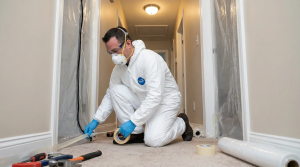
- Personal Protective Equipment: Ensure all workers use personal protective equipment (PPE), including gloves, masks, and eye protection.
- Ventilation: Adequate ventilation is essential to mitigate exposure to fumes. Opening windows and using fans can help.
- Securing the Area: Ensure that the removal site is secure and clear of non-essential personnel or pets.
Tools and Equipment Required
The removal of spray foam insulation requires specialized tools and equipment. Essential tools include:
- Scrapers: Variety of scrapers for different foam densities and areas.
- Cutting Tools: Electric saws or knives to cut through thick layers of foam.
- Vacuum Cleaners: Industrial vacuums designed to capture dust and debris.
- Protective Gear: Including masks and suits designed to protect against irritants.
Final Cleanup Procedures
After the removal process, a thorough cleanup is vital. Key steps include:
- Debris Removal: Safely dispose of all foam debris according to local regulations.
- Vacuuming: Use industrial-grade vacuums to clean any residual foam particles and dust.
- Surface Cleaning: Ensure surfaces are cleaned and prepared for any subsequent construction or renovations.
Aftercare and Maintenance Post-Removal
Assessing Your Space After Removal
Once the spray foam has been removed, assessing the condition of the space is crucial. Look for:
- Moisture Levels: Use moisture meters to check for excessive levels that could lead to mold growth.
- Structural Integrity: Inspect beams, walls, and surfaces for any damage caused by the previous insulation.
- Existing Insulation: Determine if other forms of insulation are adequate or if additional measures are required.
Preventing Future Insulation Issues
To avoid encountering insulation issues again, consider the following prevention strategies:
- Regular Inspections: Schedule frequent inspections to identify potential issues before they escalate.
- Proper Ventilation: Ensure your space is adequately ventilated to reduce moisture buildup and protect existing insulation.
- Quality Workmanship: Always engage qualified professionals for insulation work to ensure it is done correctly.
When to Consider Re-Insulation
After the removal of spray foam, you may consider re-insulating your space if:
- Your energy bills have been unusually high, indicating inefficiencies in the existing insulation.
- There are noticeable drafts or temperature fluctuations in your home.
- After visual inspections, you notice significant wear or damage to the remaining insulation.
FAQs About Spray Foam Removal London
How long does the removal process take?
The duration for spray foam removal varies depending on the size and complexity of the project but generally takes one to three days.
Can I remove spray foam myself?
Self-removal is not advised due to health risks and potential damage to property; hiring professionals is safer and more effective.
What are the costs associated with removal?
Costs for spray foam removal can vary widely based on factors such as location, area size, and the complexity of the job. Estimates often range from several hundred to thousands of pounds.
Are there health risks with spray foam?
Yes, improper application or decay of spray foam can release toxins and irritants that may affect indoor air quality and health.
What should I do after removal?
Post-removal, assess your space for damage, clean thoroughly, and consider re-insulating to improve energy efficiency.