Expert Tips for Residential Carpet Installation in 2026: Your Complete Guide
Understanding Residential Carpet Installation
Residential carpet installation is a vital service for homeowners looking to enhance their living spaces. Whether it’s providing comfort underfoot, improving acoustics, or adding aesthetic appeal, the right carpet can transform any room. Understanding the nuances of this process is essential for making informed decisions regarding your flooring choices. By taking into account factors such as material selection, installation techniques, and maintenance, homeowners can ensure a successful installation that meets both their style and budget needs. When exploring options, Residential carpet installation specialists can offer invaluable insights that lead to a satisfying flooring solution.
What is Residential Carpet Installation?
Residential carpet installation refers to the process of laying down carpet in homes. This involves measuring the space, selecting appropriate materials, and executing the installation with the help of professional carpet installers. Unlike commercial carpet installations, which often focus on durability and high foot traffic, residential installations prioritize comfort, aesthetics, and design that aligns with the homeowner’s lifestyle.
Benefits of Professional Carpet Installation
Choosing professional carpet installation has multiple advantages, including:
- Expertise: Professionals understand the intricacies of carpet laying, ensuring a flawless finish.
- Time-Saving: Experienced installers can complete tasks more quickly than DIY efforts.
- Warranty Protection: Many manufacturers require professional installation for warranty coverage.
- Access to Better Materials: Professionals often have access to higher-quality carpets and underlays.
Different Types of Carpets for Residential Spaces
When selecting carpet for residential use, understanding the different types available is crucial. Options include:
- Cut Pile: Soft and luxurious, this type of carpet is ideal for formal spaces.
- Loop Pile: Known for its durability, loop pile is suitable for high-traffic areas.
- Cut and Loop: This hybrid style offers textural variation and design flexibility.
- Berber: A sturdy option, perfect for those with kids and pets due to its resilience.
Choosing the Right Carpet for Your Home
Selecting the right carpet is not just about aesthetics; it also involves consideration of various practical factors such as lifestyle and functionality.
Consider Your Lifestyle and Needs
Your lifestyle significantly influences your carpet choice. For instance, households with children or pets might benefit from carpets made from durable materials that are easy to clean. In contrast, quieter settings might prioritize softer, plush carpets.
Popular Carpet Materials and Their Features
Different carpet materials offer unique benefits, including:
- Nylon: Highly durable and resistant to wear, it’s a popular choice for busy households.
- Polyester: Known for its vibrant colors and affordability, it’s a great option for budget-conscious homeowners.
- Wool: A natural fiber that provides luxury and warmth, though often at a higher price point.
- Triexta: A newer synthetic fiber, it’s known for its stain resistance and eco-friendly properties.
Choosing Colors and Patterns for Your Space
The color and pattern of your carpet can define the mood of your room. Neutral colors can create a calming effect, while bold patterns can become a statement piece. It’s essential to consider the existing decor and how the carpet will complement or contrast it.
Preparing for Carpet Installation
Proper preparation can make a world of difference during your carpet installation project. Taking these steps ensures a smoother experience.
Essential Steps Before Installation Day
Before the installation day, there are crucial preparations to undertake:
- Ensure the installation area is clear of furniture and debris.
- Check for any repairs needed on the subfloor.
- Communicate any special instructions or requirements to your installer.
Measuring Your Space Accurately
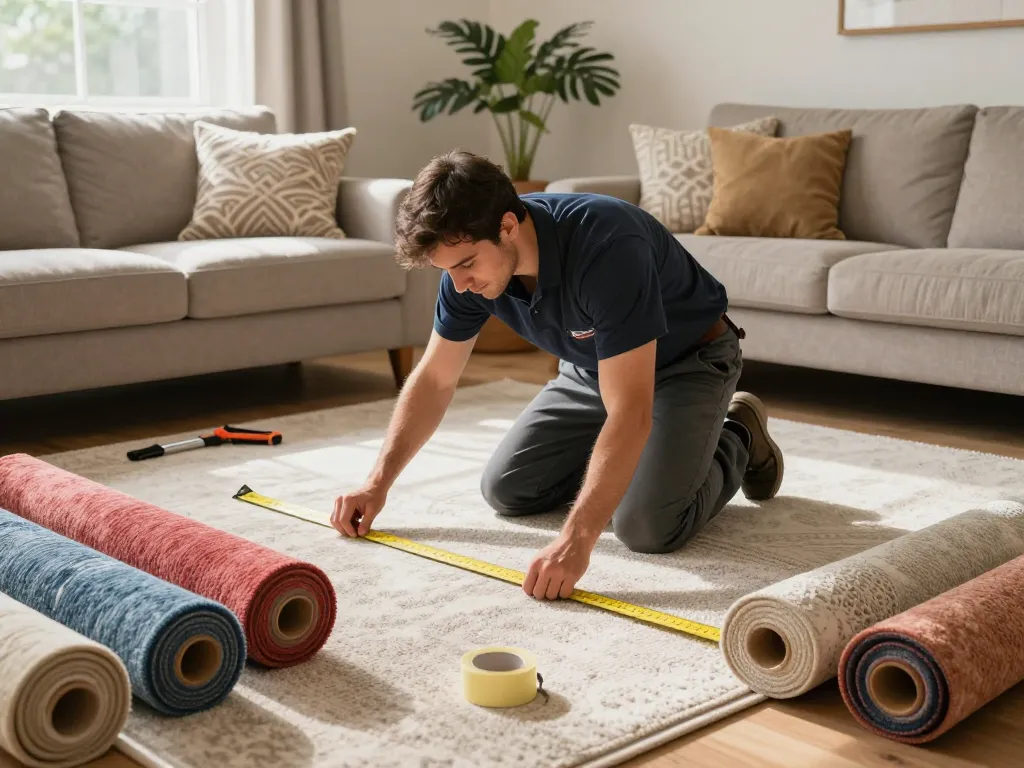
Accurate measurements are vital for ensuring you purchase the right amount of carpet. This involves measuring the length and width of the room and accounting for any irregularities or alcoves in the space.
Removing Old Flooring Safely and Efficiently
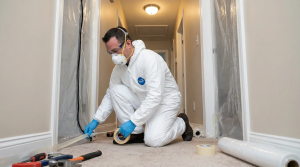
Before new carpet can be installed, any existing flooring must be removed. This can involve lifting up old carpet, erasing glue residue, or managing other types of flooring like tile or vinyl. Proper removal minimizes complications during installation.
The Carpet Installation Process
Understanding the installation process helps homeowners better appreciate the work involved and set realistic expectations.
Step-by-Step Guide to Carpet Installation
A general overview of the installation process includes:
- Preparation of the subfloor: Ensuring it’s clean, dry, and level.
- Laying the carpet padding: This adds comfort and prolongs carpet life.
- Cutting the carpet to size: Ensuring it fits perfectly in the designated area.
- Securing the carpet: This can involve stretching and attaching it securely at the edges.
Common Installation Techniques Explained
Some popular techniques include:
- Stretch-in Installation: Using tack strips to hold the carpet in place.
- Glue-down Installation: Suitable for modular carpets or in areas where stretching isn’t practical.
- Direct Glue Installation: Directly bonding carpet to the subfloor, often used for commercial settings.
Key Tools and Equipment Needed
Professional-grade tools can make a significant difference in the quality of installation. Key tools include:
- Carpet knife
- Power stretcher
- Seam roller
- Measuring tape
Post-Installation Care and Maintenance
Proper maintenance is crucial to ensure the longevity and appearance of your new carpet.
Essential Carpet Care Tips for Longevity
To keep your carpet looking fresh, consider these tips:
- Regular vacuuming to remove dirt and debris.
- Promptly treating stains with appropriate cleaners.
- Shifting furniture periodically to prevent uneven wear.
Dealing with Common Issues Post-Installation
Common post-installation issues can include rippling or wrinkling. These can often be resolved by re-stretching the carpet or consulting your installer if problems persist.
When to Hire a Professional for Maintenance
If you’re facing significant issues, such as wear patterns or stains that persist despite cleaning, hiring a professional might be necessary to restore the carpet’s appearance.
What are the average costs of residential carpet installation?
The average cost of residential carpet installation varies widely based on material and labor, ranging from $2 to $6 per square foot for installation alone. Adding carpet can range from $1 to $20 per square foot depending on the type.
How long does a carpet installation typically take?
Installation duration depends on the size of the area and the complexity of the job but usually takes between a few hours to a full day.
Can I install carpet myself, or should I hire a professional?
While DIY carpet installation is possible, hiring professionals ensures a better outcome, especially for larger spaces or more intricate installations.
What should I do to prepare my home for carpet installation?
Preparing your home includes clearing the area of furniture, ensuring the subfloor is ready, and communicating any specifics with your installer.
What are the latest trends in residential carpeting for 2026?
Looking ahead, trends are shifting towards sustainable materials, bold colors, and customizable patterns as homeowners seek more personalized flooring solutions.